In today’s fast-paced digital world, choosing the right ERP software provider can be the game-changer your business needs. From streamlining operations to boosting productivity, the right provider delivers powerful tools tailored to your industry’s demands.
What Is an ERP Software Provider?

An ERP (Enterprise Resource Planning) software provider is a company that develops, sells, and supports integrated software solutions designed to manage and automate core business processes across departments such as finance, HR, supply chain, manufacturing, and sales. These providers offer platforms that centralize data, improve visibility, and enhance decision-making across the organization.


Core Functions of ERP Systems
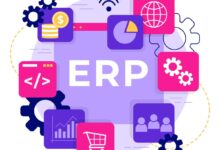
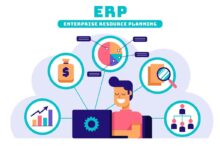
ERP software integrates various business functions into a single unified system. This integration allows real-time data sharing and process automation, reducing inefficiencies and minimizing errors. Key functions include financial management, inventory control, order processing, human resources, customer relationship management (CRM), and reporting analytics.
- Financial Management: Tracks accounting, budgeting, and financial reporting.
- Supply Chain Management: Manages procurement, logistics, and inventory levels.
- Human Capital Management: Handles payroll, recruitment, and employee performance.
“ERP systems are the backbone of modern enterprise operations, connecting departments and enabling data-driven decisions.” — Gartner Research
Types of ERP Software Providers
ERP software providers can be categorized based on deployment models, target markets, and industry specialization. The main types include on-premise ERP vendors, cloud-based ERP providers, and hybrid solutions. Additionally, some focus on small and medium businesses (SMBs), while others cater to large enterprises or specific industries like manufacturing, healthcare, or retail.
- On-Premise Providers: Offer software installed locally on company servers (e.g., SAP, Oracle).
- Cloud-Based Providers: Deliver ERP via SaaS (Software-as-a-Service) models (e.g., NetSuite, Acumatica).
- Industry-Specific Providers: Tailor solutions for niche markets (e.g., Plex for manufacturing, Unit4 for public services).
Top 7 ERP Software Providers in 2024
The global ERP market is highly competitive, with numerous vendors offering diverse capabilities. Based on market share, customer satisfaction, innovation, and scalability, here are the top 7 ERP software providers dominating the landscape in 2024.
1. SAP
SAP is a global leader in enterprise software and one of the most recognized ERP software providers worldwide. Known for its SAP S/4HANA platform, it offers real-time data processing powered by in-memory computing. SAP serves large enterprises across industries including manufacturing, energy, and finance.
- Strengths: High scalability, deep functionality, strong integration with AI and IoT.
- Deployment: On-premise, cloud, and hybrid options.
- Best For: Large multinational corporations with complex operations.
Learn more about SAP’s latest innovations at sap.com.
2. Oracle
Oracle Corporation offers a robust ERP suite through Oracle Fusion Cloud ERP, a comprehensive cloud-based solution that combines financials, procurement, project management, and risk compliance. Oracle is known for its strong database foundation and AI-driven insights.
- Strengths: Advanced analytics, AI-powered automation, global compliance tools.
- Deployment: Primarily cloud-based with optional on-premise modules.
- Best For: Mid to large-sized enterprises seeking intelligent automation.
Explore Oracle’s ERP capabilities at oracle.com.
3. Microsoft Dynamics 365
Microsoft Dynamics 365 is a leading ERP software provider that seamlessly integrates with Microsoft’s ecosystem, including Office 365, Azure, and Power BI. It offers modular applications for finance, supply chain, retail, and customer service.
- Strengths: User-friendly interface, deep Microsoft integration, flexible licensing.
- Deployment: Cloud-first, with hybrid support.
- Best For: Businesses already using Microsoft products and seeking smooth adoption.
Visit dynamics.microsoft.com for product details.
4. NetSuite (by Oracle)
NetSuite, acquired by Oracle, is a pioneer in cloud ERP and a favorite among growing mid-sized companies. It offers a fully integrated suite covering ERP, CRM, e-commerce, and financial management—all in one cloud platform.
- Strengths: End-to-end cloud solution, real-time dashboards, global business support.
- Deployment: 100% cloud-based SaaS model.
- Best For: Fast-growing SMBs and subsidiaries of large enterprises.
Discover NetSuite’s features at netsuite.com.
5. Infor
Infor specializes in industry-specific ERP solutions, serving sectors like healthcare, aerospace, fashion, and public sector. Its cloud-native platforms, such as Infor CloudSuite, are built with modern architecture and AI enhancements.
- Strengths: Vertical-specific functionality, beautiful UX with Infor OS, strong supply chain tools.
- Deployment: Cloud and hybrid deployments.
- Best For: Organizations in specialized industries needing tailored workflows.
Check out Infor’s offerings at infor.com.
6. Workday
Workday is a major ERP software provider focused on human capital management (HCM) and financial management. It’s known for its intuitive design, strong analytics, and continuous delivery of updates without downtime.
- Strengths: Real-time reporting, agile HR processes, excellent user experience.
- Deployment: Cloud-only platform.
- Best For: Companies prioritizing workforce management and financial agility.
Learn more at workday.com.
7. Sage Intacct
Sage Intacct is a cloud-based ERP software provider tailored for finance-first organizations, particularly in professional services, nonprofits, and mid-market firms. It emphasizes automation, compliance, and multi-entity consolidation.
- Strengths: Strong financial controls, automated workflows, scalable for growth.
- Deployment: Cloud-native SaaS.
- Best For: CFOs and finance teams needing robust accounting tools.
Explore Sage Intacct at sageintacct.com.
How to Choose the Right ERP Software Provider
Selecting the right ERP software provider is a strategic decision that impacts your business for years. It requires evaluating your organizational needs, budget, scalability, and long-term goals. A mismatched ERP system can lead to wasted resources, low user adoption, and operational bottlenecks.
Assess Your Business Needs
Start by identifying your key pain points and operational challenges. Are you struggling with inventory tracking? Do you need better financial reporting? Is interdepartmental communication inefficient? Map out your core processes and determine which functionalities are non-negotiable.
- Conduct internal stakeholder interviews (finance, operations, IT).
- Document current workflows and inefficiencies.
- Define short-term and long-term business objectives.
“The best ERP software provider aligns with your business model, not the other way around.” — Forbes Technology Council
Evaluate Scalability and Flexibility
Your chosen ERP software provider should grow with your business. Scalability ensures the system can handle increased transaction volumes, additional users, and new business units. Flexibility refers to the ability to customize workflows, integrate with third-party tools, and adapt to regulatory changes.
- Ask about user licensing models and pricing tiers.
- Check API availability and integration capabilities (e.g., CRM, e-commerce).
- Review upgrade paths and future roadmap from the provider.
Consider Total Cost of Ownership (TCO)
The cost of an ERP system goes beyond the initial license or subscription fee. TCO includes implementation, training, customization, maintenance, and potential downtime. Cloud-based ERP software providers often have lower upfront costs but recurring subscription fees, while on-premise solutions require significant capital investment.
- Request detailed pricing from multiple ERP software providers.
- Factor in consulting and integration partner costs.
- Estimate internal resource time for change management.
Implementation Process: From Selection to Go-Live
Implementing an ERP system is a complex project that typically spans several months. A successful rollout requires careful planning, cross-functional collaboration, and change management. The implementation process can make or break the value you derive from your ERP software provider.
Planning and Project Management
Begin with a clear project charter that defines goals, scope, timeline, budget, and key stakeholders. Appoint a project manager and form an implementation team with representatives from each department. Use project management tools to track milestones and risks.
- Define success metrics (e.g., reduced order processing time).
- Establish communication protocols and regular update meetings.
- Identify potential roadblocks early (e.g., data migration issues).
Data Migration and System Configuration
Data migration is one of the most critical and risky phases. It involves transferring historical data from legacy systems into the new ERP platform. Poor data quality or mapping errors can lead to inaccurate reporting and operational failures.
- Cleanse and standardize data before migration.
- Test data integrity in a sandbox environment.
- Use automated tools provided by the ERP software provider when available.
User Training and Change Management
Even the most advanced ERP system fails if employees resist using it. Effective training and change management are essential for high user adoption. Develop role-based training programs and provide ongoing support post-go-live.
- Conduct hands-on workshops and e-learning sessions.
- Appoint super-users in each department as internal champions.
- Collect feedback and address concerns promptly.
Benefits of Partnering with a Trusted ERP Software Provider
Choosing a reputable ERP software provider brings more than just software—it delivers strategic advantages that enhance competitiveness and operational excellence. These benefits extend across departments and contribute to long-term business resilience.
Improved Operational Efficiency
By automating repetitive tasks and eliminating data silos, ERP systems streamline workflows across finance, HR, procurement, and logistics. This leads to faster processing times, reduced manual errors, and better resource allocation.
- Automated invoice processing reduces AP cycle time by up to 60%.
- Real-time inventory tracking prevents stockouts and overstocking.
- Centralized data reduces redundant data entry across departments.
“Companies using integrated ERP systems report 25% higher operational efficiency.” — McKinsey & Company
Enhanced Decision-Making with Real-Time Analytics
Modern ERP software providers embed advanced analytics and business intelligence tools into their platforms. Executives gain access to real-time dashboards, predictive insights, and customizable reports that support data-driven strategies.
- Monitor KPIs like cash flow, order fulfillment rate, and employee productivity.
- Use forecasting tools for sales, demand, and budget planning.
- Generate compliance reports automatically (e.g., GAAP, IFRS).
Better Compliance and Risk Management
ERP systems help organizations meet regulatory requirements by enforcing standardized processes, maintaining audit trails, and ensuring data security. This is especially crucial in industries like healthcare, finance, and manufacturing.
- Automated tax calculations and reporting for multi-jurisdiction operations.
- Role-based access controls protect sensitive data.
- Regular system updates ensure compliance with evolving regulations.
Common Challenges and How to Overcome Them
Despite their benefits, ERP implementations often face obstacles. Being aware of these challenges and proactively addressing them increases the likelihood of a successful deployment.
Resistance to Change
Employees may fear job displacement, increased workload, or difficulty learning new systems. This resistance can slow adoption and reduce ROI.
- Communicate the ‘why’ behind the ERP implementation clearly.
- Involve end-users in the selection and testing phases.
- Highlight personal benefits, such as easier reporting or reduced manual work.
Scope Creep and Project Delays
Uncontrolled changes in project scope—adding new features or modules mid-implementation—can lead to delays, budget overruns, and team burnout.
- Stick to a well-defined project scope approved by leadership.
- Use agile methodologies with phased rollouts.
- Reserve a contingency budget for unforeseen issues.
Integration with Legacy Systems
Many organizations rely on older systems that may not easily connect with modern ERP platforms. Poor integration can result in data inconsistencies and process gaps.
- Conduct a thorough audit of existing systems before selection.
- Choose an ERP software provider with strong API and middleware support.
- Consider a phased migration strategy instead of a ‘big bang’ approach.
Future Trends Shaping ERP Software Providers
The ERP landscape is evolving rapidly due to technological advancements and changing business needs. ERP software providers are investing heavily in innovation to stay competitive and deliver greater value to their customers.
Artificial Intelligence and Machine Learning
AI is transforming ERP systems by enabling predictive analytics, intelligent automation, and self-optimizing processes. For example, AI can forecast inventory needs, detect fraudulent transactions, or recommend optimal pricing strategies.
- SAP’s AI-powered assistant, Joule, provides natural language queries.
- Oracle uses machine learning for predictive maintenance in manufacturing.
- Workday leverages AI for talent acquisition and retention insights.
Blockchain for Enhanced Security and Transparency
Blockchain technology is being explored by ERP software providers to improve data integrity, traceability, and trust in supply chains. It enables immutable records of transactions, reducing fraud and improving auditability.
- Pilot projects in pharmaceuticals for drug traceability.
- Use in procurement to verify supplier authenticity.
- Integration with smart contracts for automated payments.
Low-Code/No-Code Customization
Modern ERP platforms are incorporating low-code development environments, allowing business users to create custom workflows and reports without deep technical knowledge. This empowers departments to innovate faster and reduces dependency on IT.
- Microsoft Power Platform integration with Dynamics 365.
- NetSuite’s SuiteFlow and SuiteScript for process automation.
- Sage Intacct’s customizable dashboards and reports.
What is an ERP software provider?
An ERP software provider is a company that develops and supports integrated business management software. These platforms help organizations automate and manage core processes like finance, HR, supply chain, and manufacturing in a unified system.
What are the benefits of using an ERP software provider?
Key benefits include improved operational efficiency, real-time data visibility, better decision-making, enhanced compliance, and scalability. A reliable ERP software provider also offers ongoing support, updates, and integration capabilities.
How much does ERP software cost?
Costs vary widely based on provider, deployment model, and company size. Cloud-based ERP can start at $1,000/month for small businesses, while enterprise solutions may cost hundreds of thousands annually. Implementation fees, training, and customization add to the total cost.
Which ERP software provider is best for small businesses?
NetSuite, Sage Intacct, and Microsoft Dynamics 365 are top choices for small to mid-sized businesses due to their scalability, cloud deployment, and modular pricing. The best fit depends on industry, budget, and specific needs.
Can ERP systems be customized?
Yes, most ERP software providers offer customization options through configuration settings, APIs, and low-code tools. However, extensive customizations can increase complexity and maintenance costs, so a balance is recommended.
Selecting the right ERP software provider is a pivotal decision that shapes your organization’s efficiency, agility, and growth potential. From global giants like SAP and Oracle to agile cloud-native platforms like NetSuite and Workday, the market offers diverse solutions tailored to different business sizes and industries. By understanding your needs, evaluating providers critically, and planning a smooth implementation, you can unlock the full power of ERP technology. As AI, blockchain, and low-code platforms redefine the future of enterprise software, partnering with an innovative and reliable ERP software provider ensures your business stays ahead in an ever-evolving digital landscape.
erp software provider – Erp software provider menjadi aspek penting yang dibahas di sini.
Further Reading:
