ERP production planning isn’t just a buzzword—it’s the backbone of modern manufacturing efficiency. When done right, it synchronizes resources, timelines, and data across departments, turning chaos into clarity. Let’s dive into how it transforms operations.
What Is ERP Production Planning and Why It Matters

Enterprise Resource Planning (ERP) production planning integrates core manufacturing processes into a unified system. It connects everything from raw material procurement to final product delivery, ensuring every team works from the same real-time data. This integration eliminates silos, reduces errors, and accelerates decision-making.
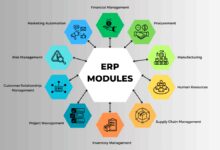
Defining ERP in Manufacturing Context
In manufacturing, ERP isn’t just about accounting or HR—it’s a central nervous system for production. It combines inventory management, scheduling, capacity planning, and quality control into one platform. According to SAP, ERP systems help manufacturers respond faster to market changes by providing end-to-end visibility.
- ERP tracks materials, labor, and machine usage across facilities.
- It enables predictive analytics for demand forecasting.
- Real-time dashboards give managers instant insights into production bottlenecks.
“An integrated ERP system can reduce production planning time by up to 50%, according to research by Panorama Consulting Solutions.”
Core Components of ERP Production Planning
A robust ERP production planning module includes several key components that work together seamlessly. These are not standalone tools but interconnected systems that feed accurate data into each other.
- Bill of Materials (BOM): Lists all components needed to manufacture a product.
- Master Production Schedule (MPS): Outlines what products will be produced and when.
- Material Requirements Planning (MRP): Calculates raw material needs based on demand forecasts and current inventory.
- Capacity Planning: Ensures machines and labor can meet production targets.
These elements ensure that production doesn’t run blind. For example, if a component is out of stock, MRP alerts planners before production starts, preventing costly delays.
How ERP Production Planning Improves Operational Efficiency
One of the most tangible benefits of ERP production planning is improved operational efficiency. By automating workflows and centralizing data, companies can eliminate redundant tasks and reduce human error.
Reducing Downtime with Predictive Scheduling
Traditional planning often relies on spreadsheets and guesswork, leading to machine idle time or overloading. ERP systems use historical data and real-time inputs to create optimized schedules. For instance, if a machine requires maintenance every 500 hours, the ERP system can automatically schedule downtime during low-demand periods.
- Automated alerts prevent missed maintenance windows.
- Scheduling algorithms balance workload across shifts and equipment.
- Integration with IoT sensors allows real-time monitoring of machine health.
This predictive approach minimizes unplanned stoppages. A study by IBM found that manufacturers using ERP systems report a 20–30% reduction in unplanned downtime.
Streamlining Inventory Management
Poor inventory control is a silent killer of profitability. Too much stock ties up capital; too little halts production. ERP production planning uses demand forecasting and just-in-time (JIT) principles to maintain optimal inventory levels.
- Automated reorder points trigger purchase orders when stock falls below threshold.
- Real-time tracking shows exact inventory levels across multiple warehouses.
- Batch and serial number tracking improves traceability for recalls or audits.
For example, a food manufacturer using ERP can track ingredient expiration dates and automatically prioritize older stock, reducing waste and ensuring compliance with food safety standards.
The Role of Data Integration in ERP Production Planning
Data is the lifeblood of effective production planning. Without integration, departments operate in isolation—sales forecasts don’t reach production, inventory updates lag, and customer orders get delayed. ERP bridges these gaps.
Synchronizing Sales, Production, and Supply Chain
When sales teams close a large order, that information should instantly flow into production planning. ERP systems ensure this happens automatically. The Master Production Schedule adjusts in real time, triggering material requisitions and labor allocation.
- Sales forecasts feed directly into demand planning modules.
- Customer order changes are reflected immediately in production timelines.
- Supplier lead times are factored into procurement planning.
This synchronization prevents overpromising to customers and underutilizing resources. As noted by Oracle, integrated ERP systems improve on-time delivery rates by up to 40%.
Eliminating Data Silos Across Departments
In non-integrated environments, finance might use one system, production another, and logistics a third. This fragmentation leads to conflicting reports and misaligned goals. ERP unifies these functions under a single database.
- All departments access the same version of truth.
- Managers can run cross-functional reports (e.g., cost per unit by plant).
- Regulatory compliance becomes easier with auditable data trails.
“Companies with integrated ERP systems make decisions 3x faster than those relying on disparate systems,” says Gartner Research.
This unified view empowers leadership to make strategic decisions based on accurate, timely data rather than assumptions.
Key Features of Modern ERP Production Planning Systems
Today’s ERP solutions go beyond basic scheduling and inventory tracking. They leverage advanced technologies like AI, cloud computing, and mobile access to deliver powerful capabilities.
Advanced Scheduling and Capacity Optimization
Modern ERP systems offer finite capacity scheduling, which considers actual machine and labor availability—not just theoretical capacity. This prevents overbooking and ensures realistic delivery promises.
- Drag-and-drop scheduling interfaces make adjustments intuitive.
- Scenario modeling allows planners to simulate ‘what-if’ situations (e.g., adding a night shift).
- Automatic conflict detection flags scheduling overlaps or resource shortages.
For example, a discrete manufacturer can simulate the impact of launching a new product line without disrupting existing orders.
Real-Time Analytics and Dashboards
Decision-makers need instant access to performance metrics. ERP production planning dashboards display KPIs like Overall Equipment Effectiveness (OEE), cycle times, and yield rates in real time.
- Customizable dashboards show relevant data for different roles (e.g., plant manager vs. floor supervisor).
- Drill-down functionality allows users to explore root causes of issues.
- Automated alerts notify teams of deviations from plan (e.g., production falling behind schedule).
These insights enable proactive management. Instead of discovering a problem during a weekly meeting, supervisors can address it within minutes.
ERP Production Planning and Supply Chain Resilience
In an era of global disruptions—from pandemics to geopolitical tensions—supply chain resilience is critical. ERP production planning plays a vital role in building flexibility and responsiveness.
Managing Supplier Risks with ERP Insights
ERP systems track supplier performance metrics such as on-time delivery rate, quality defect rate, and responsiveness. This data helps companies identify high-risk vendors and diversify their supply base.
- Automated scorecards evaluate suppliers quarterly.
- Alternative sourcing options are pre-loaded in the system for quick activation.
- Risk assessment tools flag potential disruptions based on geopolitical or weather data.
For instance, if a key supplier is located in a region prone to hurricanes, the ERP system can recommend increasing safety stock or identifying backup suppliers.
Dynamic Replanning During Disruptions
When a disruption occurs—like a port closure or raw material shortage—ERP production planning allows rapid replanning. Instead of manually recalculating hundreds of dependencies, the system can suggest alternative production sequences or reroute orders.
- Scenario planning tools simulate recovery paths.
- Integrated communication tools notify stakeholders of changes instantly.
- Cost impact analysis shows financial implications of different recovery strategies.
This agility minimizes downtime and maintains customer satisfaction. A case study from Infor showed that manufacturers with ERP systems recovered 60% faster from supply chain shocks.
Implementing ERP Production Planning: Best Practices
Implementing an ERP system is a major undertaking. Success depends on careful planning, stakeholder engagement, and change management.
Choosing the Right ERP Vendor and Module
Not all ERP systems are created equal. Manufacturers must select a solution tailored to their industry and scale. Key considerations include:
- Industry-specific functionality (e.g., batch tracking for pharma, job costing for construction).
- Scalability to support future growth.
- Cloud vs. on-premise deployment options.
- Integration capabilities with existing systems (e.g., MES, CRM).
Vendors like SAP, Oracle, Microsoft Dynamics 365, and Infor offer specialized manufacturing modules. It’s crucial to conduct proof-of-concept trials before committing.
Ensuring Data Accuracy and User Adoption
Even the best ERP system fails if data is inaccurate or employees resist using it. Data cleansing and migration must be prioritized during implementation.
- Standardize part numbers, units of measure, and BOM structures before migration.
- Train users with role-based tutorials and simulations.
- Appoint internal champions to drive adoption and provide peer support.
According to Panorama Consulting, 75% of ERP projects exceed budget or timeline due to poor change management.
Future Trends in ERP Production Planning
The future of ERP production planning is intelligent, connected, and adaptive. Emerging technologies are reshaping how manufacturers plan and execute production.
AI and Machine Learning in Production Forecasting
Artificial Intelligence (AI) is revolutionizing demand forecasting. Instead of relying on historical averages, AI models analyze vast datasets—including social media trends, weather patterns, and economic indicators—to predict demand with greater accuracy.
- AI detects subtle demand signals missed by traditional methods.
- Self-learning algorithms improve forecast accuracy over time.
- Predictive maintenance reduces machine failures by anticipating issues.
For example, a consumer goods company might use AI to anticipate a spike in demand for sunscreen based on rising temperatures and vacation booking trends.
Cloud-Based ERP and Remote Access
Cloud ERP systems are becoming the norm, offering scalability, lower upfront costs, and anytime, anywhere access. This is especially valuable for companies with distributed operations or remote teams.
- Automatic updates ensure users always have the latest features.
- Disaster recovery and data backup are handled by the provider.
- Mobile apps allow supervisors to monitor production from the shop floor or home office.
A report by Gartner predicts that by 2025, over 80% of enterprises will have shut down their traditional data centers in favor of cloud solutions.
What is ERP production planning?
ERP production planning is the process of using Enterprise Resource Planning software to coordinate and optimize manufacturing activities, including scheduling, inventory management, and resource allocation, based on real-time data.
How does ERP improve production efficiency?
ERP improves efficiency by automating workflows, reducing manual errors, synchronizing departments, enabling real-time decision-making, and optimizing inventory and capacity utilization.
Can small manufacturers benefit from ERP production planning?
Yes, many cloud-based ERP systems are scalable and affordable for small manufacturers. They offer modular pricing and quick implementation, helping smaller firms compete with larger players.
What are common challenges in ERP implementation?
Common challenges include data migration issues, resistance to change, lack of user training, choosing the wrong vendor, and underestimating project scope and cost.
Is cloud ERP secure for production planning?
Yes, reputable cloud ERP providers invest heavily in security, including encryption, multi-factor authentication, and compliance with standards like ISO 27001 and GDPR. In many cases, cloud systems are more secure than on-premise solutions.
ERP production planning is no longer a luxury—it’s a necessity for manufacturers aiming to stay competitive. From streamlining operations to enhancing supply chain resilience, the right ERP system transforms how companies plan, produce, and deliver. By embracing integration, data accuracy, and emerging technologies, businesses can unlock unprecedented levels of efficiency and agility. The future of manufacturing is not just automated—it’s intelligent, connected, and powered by ERP.
Further Reading:
