Navigating the world of ERP pricing can feel like decoding a secret language. This comprehensive ERP pricing guide cuts through the noise, revealing exactly what you’ll pay and why—so you can make smarter, data-driven decisions.
Understanding ERP Pricing: The Foundation

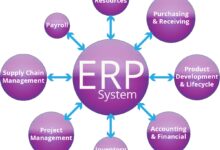
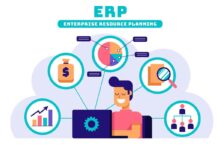
Enterprise Resource Planning (ERP) systems are the backbone of modern business operations, integrating finance, HR, supply chain, manufacturing, and more into a single platform. But before you can harness their power, you need to understand how ERP pricing works. It’s not a one-size-fits-all model; costs vary widely based on deployment type, vendor, business size, and customization needs. This ERP pricing guide breaks down every cost factor so you can budget accurately and avoid costly surprises.
What Is ERP and Why Pricing Matters
ERP systems streamline operations by centralizing data across departments. But their complexity means pricing isn’t straightforward. A 2023 Gartner report found that 60% of ERP projects exceed their initial budget due to poor cost forecasting. Understanding ERP pricing early helps prevent budget overruns and ensures ROI. Whether you’re a small business or a multinational corporation, knowing the cost structure is essential for long-term success.
- ERP integrates core business functions into one system
- Pricing transparency prevents unexpected overruns
- Accurate budgeting leads to better ROI
Key Factors That Influence ERP Pricing
Several variables determine how much you’ll pay for an ERP system. These include the number of users, deployment model (cloud vs. on-premise), industry-specific requirements, and the level of customization. For example, a manufacturing firm may need advanced inventory and production modules, increasing the total cost. According to Panorama Consulting, the average mid-sized company spends $7 million on an ERP implementation over five years. This ERP pricing guide helps you anticipate these costs and negotiate better deals.
“The biggest mistake companies make is focusing only on software license fees while ignoring implementation, training, and maintenance costs.” — Robert K. Scott, ERP Industry Analyst
ERP Pricing Models Explained
ERP vendors use different pricing models, each with pros and cons. Understanding these models is crucial for choosing the right fit for your business. The three most common are subscription-based (SaaS), perpetual licensing, and tiered pricing. Each affects your cash flow, scalability, and long-term costs differently. This ERP pricing guide dives deep into each model so you can pick the one that aligns with your financial strategy.
Subscription-Based (SaaS) Pricing
Also known as Software-as-a-Service, this model charges a recurring fee—usually monthly or annually—per user. It’s popular for cloud-based ERPs like SAP Business One and Oracle NetSuite. The advantage? Lower upfront costs and automatic updates. However, long-term expenses can exceed perpetual licenses. For a company with 50 users paying $150/user/month, the annual cost is $90,000—recurring every year.
- No large upfront investment required
- Includes hosting, maintenance, and updates
- Scalable for growing businesses
Perpetual Licensing Model
This traditional model involves a one-time software license fee, plus annual maintenance (typically 15–22% of the license cost). It’s common with on-premise systems like Microsoft Dynamics AX or legacy SAP ERP. While the initial cost is high—often $100,000+ for mid-sized firms—it can be cheaper over a 10-year horizon. However, you’re responsible for servers, IT staff, and upgrades. This ERP pricing guide recommends this model only if you have strong in-house IT capabilities.
“Perpetual licensing gives control but demands responsibility. You own the software, but you also own the headaches.” — TechTarget ERP Analysis
Cloud vs. On-Premise ERP: Cost Comparison
The deployment model significantly impacts ERP pricing. Cloud ERP is hosted by the vendor, while on-premise runs on your own servers. Each has distinct cost structures. This ERP pricing guide compares both to help you decide which offers better value for your business size and goals.
Cloud ERP: Lower Upfront, Higher Long-Term
Cloud ERP systems like NetSuite or Infor CloudSuite require minimal upfront investment. You pay a subscription fee that covers software, hosting, security, and updates. Implementation is faster, often under six months. However, costs accumulate over time. A 10-year projection shows cloud ERP can cost 20–30% more than on-premise when factoring in recurring fees.
- Fast deployment (3–6 months)
- Lower initial capital expenditure
- Automatic updates and patches
On-Premise ERP: High Initial, Potentially Cheaper Long-Term
On-premise ERP requires purchasing servers, software licenses, and hiring IT staff. Initial costs can exceed $500,000 for a mid-sized company. But after the first five years, annual costs drop significantly—mainly maintenance and minor upgrades. This model offers more control over data and customization. However, it’s less flexible for remote work and scaling. This ERP pricing guide suggests on-premise only for large enterprises with strict data governance needs.
“On-premise ERP is like buying a house; cloud ERP is like renting an apartment. One builds equity, the other offers flexibility.” — CIO.com
Hidden Costs in ERP Implementation
Many companies underestimate ERP costs because they focus only on software fees. But implementation, training, data migration, and customization can double your total spend. This ERP pricing guide exposes the hidden costs so you can budget realistically and avoid financial shocks.
Implementation and Consulting Fees
ERP implementation is complex and often requires third-party consultants. Fees range from $100 to $250 per hour, with total project costs between $50,000 and $500,000 depending on scope. For example, a full SAP S/4HANA rollout can take 12–18 months and cost millions. According to Panorama Consulting, implementation costs average 1.5x the software license fee. Always get fixed-bid quotes to avoid scope creep.
- Consulting fees are often the largest cost component
- Complex integrations increase labor hours
- Fixed-price contracts reduce risk
Data Migration and System Integration
Moving data from legacy systems to a new ERP is time-consuming and risky. Poor data quality leads to errors and delays. Data migration costs range from $10,000 to $100,000, depending on volume and complexity. Integration with CRM, e-commerce, or payroll systems adds another $20,000–$150,000. This ERP pricing guide recommends budgeting at least 15% of your total ERP cost for data and integration work.
“Data is the lifeblood of ERP. If it’s messy, your system will fail.” — ERP Implementation Best Practices, Deloitte
ERP Pricing by Business Size
ERP costs vary dramatically based on company size. A startup doesn’t need the same system as a Fortune 500. This ERP pricing guide breaks down pricing tiers for small, mid-sized, and large enterprises so you can find a solution that fits your scale.
Small Business ERP Pricing (1–100 Employees)
Small businesses typically use cloud-based ERPs like Zoho ERP, Sage Intacct, or QuickBooks Enterprise. Pricing starts at $50/user/month, with total annual costs between $10,000 and $50,000. Implementation is simpler, often under $20,000. These systems offer core modules (accounting, inventory, CRM) without heavy customization. This ERP pricing guide recommends starting with scalable SaaS solutions to grow with your business.
- Entry-level ERPs start at $300/month
- Implementation under 6 months
- Minimal IT staff required
Mid-Sized Company ERP Pricing (100–1,000 Employees)
Mid-sized firms need more robust systems like Microsoft Dynamics 365, Oracle NetSuite, or SAP Business ByDesign. Annual software costs range from $100,000 to $500,000. Implementation takes 6–12 months and costs $200,000–$1 million. These ERPs support multi-location operations, advanced reporting, and industry-specific workflows. This ERP pricing guide emphasizes the need for a dedicated project manager and change management strategy.
“Mid-sized companies often underestimate change management costs, leading to low user adoption.” — Panorama Consulting
Top ERP Vendors and Their Pricing Structures
Major ERP vendors have different pricing strategies. This ERP pricing guide compares the top players—SAP, Oracle, Microsoft, Infor, and Workday—so you can compare apples to apples.
SAP ERP Pricing: Enterprise-Grade Costs
SAP offers multiple ERP solutions: SAP S/4HANA (on-premise/cloud), SAP Business One (SMB), and SAP Business ByDesign (mid-market). SAP Business One starts at $6,000 for a 5-user license, plus $1,000/year maintenance. S/4HANA can cost $1 million+ for software alone. Implementation often exceeds $2 million. SAP’s pricing is complex, requiring direct quotes. This ERP pricing guide advises requesting detailed breakdowns and negotiating volume discounts.
- SAP Business One: $6,000+ for 5 users
- SAP S/4HANA: $500,000–$5M+
- High implementation and consulting costs
Oracle NetSuite: Transparent Cloud Pricing
Oracle NetSuite is a leader in cloud ERP with transparent pricing. The base package starts at $999/month for up to 10 users, with additional modules (CRM, e-commerce) costing $99–$499/month each. For 50 users, expect $5,000–$8,000/month. Implementation ranges from $50,000 to $250,000. NetSuite’s pricing is predictable, making it a favorite in this ERP pricing guide for mid-sized firms.
“NetSuite’s pricing is one of the most transparent in the ERP market.” — Gartner Peer Insights
How to Negotiate the Best ERP Deal
ERP pricing isn’t set in stone. Vendors expect negotiation, especially for long-term contracts. This ERP pricing guide provides proven tactics to reduce costs and maximize value.
Leverage Competing Quotes
Never negotiate with just one vendor. Get quotes from at least three ERP providers. Use competing offers as leverage. For example, if Vendor A quotes $120,000/year and Vendor B offers $100,000, present this to Vendor A. Most will match or beat the lower price. This ERP pricing guide recommends using a Request for Proposal (RFP) process to standardize comparisons.
- Use competing bids to drive down prices
- Ask for bundled discounts (software + implementation)
- Negotiate free training or extended trials
Ask for Discounts and Incentives
Vendors often offer discounts for annual prepayment, multi-year contracts, or non-profit status. Some provide free training, waived implementation fees, or extended support. This ERP pricing guide suggests asking: “What discounts or incentives are available?” You’d be surprised how much is negotiable. For example, Microsoft often waives first-year maintenance for new Dynamics 365 customers.
“The best ERP deals come from asking the right questions.” — ERP Negotiation Expert, CIO Magazine
What is the average cost of an ERP system?
The average cost varies by size. Small businesses pay $10,000–$50,000/year, mid-sized companies $100,000–$500,000/year, and large enterprises $1M+/year. Total 5-year costs include software, implementation, and maintenance.
Is cloud ERP cheaper than on-premise?
Cloud ERP has lower upfront costs but higher long-term expenses. On-premise is cheaper over 10+ years but requires large initial investment. This ERP pricing guide recommends cloud for most businesses due to flexibility and faster ROI.
How long does ERP implementation take?
Small businesses: 3–6 months. Mid-sized: 6–12 months. Large enterprises: 12–24 months. Complex customizations or data migration can extend timelines. This ERP pricing guide advises setting realistic timelines to avoid rushed deployments.
Can I customize my ERP system?
Yes, but customization increases cost and complexity. Cloud ERPs offer limited customization; on-premise allows more flexibility. This ERP pricing guide recommends using standard features first, then customizing only critical processes.
What’s the most affordable ERP for small businesses?
Zoho ERP, Sage Intacct, and QuickBooks Enterprise are among the most affordable, starting at $50/user/month. They offer essential features without enterprise-level complexity. This ERP pricing guide suggests starting with scalable SaaS solutions.
Choosing the right ERP system is one of the most impactful decisions a business can make. This ERP pricing guide has walked you through every cost factor—from software models and deployment options to hidden fees and vendor negotiations. By understanding the full picture, you can avoid budget overruns, select the right solution, and maximize ROI. Whether you’re a startup or a global enterprise, smart ERP investment starts with smart pricing knowledge. Use this guide as your roadmap to a successful, cost-effective ERP journey.
Further Reading:
