Managing inventory efficiently is no longer a luxury—it’s a necessity. With ERP inventory management, businesses gain real-time visibility, reduce costs, and streamline operations like never before.
What Is ERP Inventory Management?

Enterprise Resource Planning (ERP) inventory management refers to the integration of inventory control processes within a broader ERP system. This unified approach allows businesses to manage stock levels, track product movement, and synchronize inventory data across departments—from procurement to sales and logistics—all in real time.


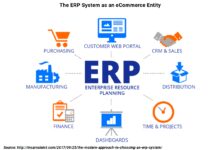
Core Components of ERP Inventory Systems
At its foundation, ERP inventory management relies on several interconnected modules that ensure seamless data flow and operational efficiency.
- Stock Tracking: Monitors inventory levels across multiple locations, including warehouses, retail outlets, and distribution centers.
- Order Management: Automates purchase and sales orders, reducing manual errors and improving fulfillment speed.
- Reporting & Analytics: Provides dashboards and reports on stock turnover, demand forecasting, and inventory valuation.
These components work together to eliminate data silos and ensure that inventory decisions are based on accurate, up-to-date information. For example, when a sales order is placed, the ERP system automatically updates inventory levels, triggers reordering if necessary, and notifies the warehouse for shipment.
How ERP Differs from Standalone Inventory Software
While standalone inventory tools focus solely on stock tracking, ERP inventory management integrates with other business functions such as finance, human resources, and customer relationship management (CRM). This integration creates a holistic view of business operations.
For instance, a standalone system might alert you when stock is low, but an ERP system goes further—it checks supplier lead times, current cash flow, and upcoming sales forecasts before recommending a reorder. This interconnectedness reduces overstocking, prevents stockouts, and improves cash flow management.
According to Gartner, organizations using integrated ERP systems report a 25% improvement in inventory accuracy compared to those using isolated tools.
“ERP transforms inventory from a cost center into a strategic asset.” — Gartner Research
Top 7 Benefits of ERP Inventory Management
Implementing ERP inventory management isn’t just about digitizing spreadsheets—it’s about transforming how your business operates. The advantages span across efficiency, accuracy, and strategic decision-making.
1. Real-Time Inventory Visibility
One of the most significant advantages of ERP inventory management is real-time visibility into stock levels across all locations. This means no more guessing whether an item is available or stuck in transit.
With live data feeds, managers can instantly see:
- Current stock levels by SKU
- Items on backorder or delayed in shipping
- Inventory in transit between warehouses
This transparency enables faster decision-making. For example, if a customer requests a rush order, the sales team can immediately check availability and commit to a delivery date without calling the warehouse.
A study by Nucleus Research found that companies using ERP systems reduced inventory carrying costs by up to 20% due to improved visibility and forecasting.
2. Reduced Stockouts and Overstocking
Stockouts lead to lost sales and customer dissatisfaction, while overstocking ties up capital and increases storage costs. ERP inventory management helps strike the perfect balance.
By analyzing historical sales data, seasonal trends, and supplier performance, ERP systems generate intelligent reorder points and safety stock levels. When inventory dips below the threshold, the system automatically triggers a purchase order.
For example, a retail chain using ERP can predict increased demand for winter coats in October and pre-stock accordingly, avoiding both shortages and excess inventory after the season ends.
3. Improved Accuracy and Reduced Manual Errors
Manual data entry is one of the biggest sources of inventory inaccuracies. Miscounted stock, misplaced orders, and duplicate entries can lead to costly mistakes.
ERP inventory management automates data capture through barcode scanning, RFID tags, and digital workflows. Every transaction—whether it’s a receipt, transfer, or sale—is recorded instantly and accurately in the system.
As a result, inventory accuracy rates often improve from below 70% in manual systems to over 98% with ERP. This level of precision enhances financial reporting, audit readiness, and supplier negotiations.
4. Streamlined Procurement and Supplier Management
ERP systems centralize supplier information, contracts, and performance metrics. This makes it easier to compare vendors, negotiate better terms, and ensure timely deliveries.
When inventory levels drop, the ERP system doesn’t just create a purchase order—it selects the best supplier based on price, lead time, and past reliability. Some advanced systems even support e-procurement portals where suppliers can view orders and update shipment statuses in real time.
This level of integration reduces procurement cycle times by up to 40%, according to SAP.
5. Enhanced Demand Forecasting and Planning
ERP inventory management leverages historical data and market trends to forecast future demand with greater accuracy. This is especially valuable for businesses with seasonal fluctuations or rapidly changing markets.
Advanced ERP systems use machine learning algorithms to analyze patterns and adjust forecasts dynamically. For example, if a marketing campaign drives a spike in online sales, the system can detect the trend and recommend increasing safety stock for the affected products.
Better forecasting leads to optimized inventory levels, reduced waste (especially for perishable goods), and improved customer satisfaction due to consistent product availability.
6. Seamless Integration Across Business Functions
Unlike standalone inventory tools, ERP inventory management doesn’t operate in isolation. It connects seamlessly with accounting, sales, production, and HR modules.
For example, when a product is sold:
- The inventory module reduces stock levels
- The sales module records revenue
- The accounting module updates accounts receivable
- The production module may trigger a new manufacturing run if stock falls below minimum
This end-to-end integration eliminates redundant data entry, reduces delays, and ensures consistency across departments. It also enables cross-functional reporting—such as calculating gross profit per product line by combining sales and inventory cost data.
7. Scalability for Business Growth
As businesses grow, their inventory complexity increases—more SKUs, more locations, more suppliers. Manual systems quickly become overwhelmed.
ERP inventory management scales effortlessly. Whether you’re adding a new warehouse, launching an e-commerce channel, or expanding into international markets, the ERP system adapts without requiring a complete overhaul.
Cloud-based ERP solutions, in particular, offer flexible licensing and automatic updates, making them ideal for growing businesses. Companies like Zoho and NetSuite have helped thousands of mid-sized firms scale their inventory operations efficiently.
Key Features to Look for in an ERP Inventory Management System
Not all ERP systems are created equal. When evaluating solutions, focus on features that align with your business needs and long-term goals.
Multi-Warehouse and Multi-Location Support
If your business operates across multiple warehouses, retail stores, or distribution centers, your ERP must support multi-location inventory tracking.
Key capabilities include:
- Real-time sync of stock levels across locations
- Automated inter-warehouse transfers
- Location-specific reorder rules
This ensures that you can fulfill orders from the nearest warehouse, reducing shipping costs and delivery times. It also prevents overselling by showing accurate availability across all channels.
Barcode and RFID Integration
Manual stock counts are time-consuming and error-prone. Barcode and RFID technologies automate data capture, making inventory processes faster and more accurate.
Modern ERP systems support mobile barcode scanners and RFID readers that integrate directly with the software. Employees can scan items during receiving, picking, packing, and cycle counts, with data updating instantly in the ERP database.
For example, a warehouse worker receiving a shipment can scan each box, and the system automatically updates inventory, matches it to the purchase order, and flags any discrepancies.
Automated Reordering and Purchase Order Management
One of the most powerful features of ERP inventory management is automated reordering. Instead of relying on manual checks, the system monitors stock levels and generates purchase orders when predefined thresholds are met.
Advanced systems allow you to set:
- Minimum and maximum stock levels
- Safety stock based on lead time and demand variability
- Preferred suppliers for each item
When inventory drops below the reorder point, the ERP creates a purchase order, sends it to the supplier (via email or EDI), and tracks its status until delivery. This reduces the risk of stockouts and frees up staff for higher-value tasks.
How ERP Inventory Management Integrates with Supply Chain Operations
Inventory doesn’t exist in a vacuum—it’s a critical link in the supply chain. ERP inventory management strengthens this link by synchronizing data across procurement, production, logistics, and sales.
Synchronizing Procurement and Production
In manufacturing environments, ERP inventory management plays a vital role in coordinating raw material availability with production schedules.
When a sales order is confirmed, the ERP system checks available finished goods. If insufficient, it triggers a production order and verifies that raw materials are in stock. If not, it automatically creates purchase orders for missing components.
This process, known as Material Requirements Planning (MRP), ensures that production runs smoothly without delays due to missing parts. It also prevents over-purchasing by calculating exact material needs based on bill of materials (BOM) and current inventory.
Optimizing Logistics and Distribution
ERP inventory management enhances logistics by providing accurate data on where inventory is located and when it’s needed.
For example, a national distributor can use ERP to:
- Route orders to the nearest warehouse
- Consolidate shipments to reduce freight costs
- Prioritize high-demand items for faster replenishment
Integration with transportation management systems (TMS) allows for real-time tracking of outbound shipments, improving delivery reliability and customer communication.
Improving Supplier Collaboration
Modern ERP systems support vendor portals where suppliers can access purchase orders, update delivery schedules, and view performance metrics.
This transparency fosters better collaboration. Suppliers can plan their production and logistics more effectively, reducing delays. Businesses, in turn, gain greater visibility into supply chain risks and can proactively address potential disruptions.
Some ERP platforms even offer predictive analytics that alert managers to potential supplier delays based on historical performance and external factors like weather or port congestion.
ERP Inventory Management for Different Industries
The core principles of ERP inventory management apply across sectors, but specific industries have unique requirements that influence system design and functionality.
Retail and E-Commerce
Retailers face challenges like high SKU counts, rapid turnover, and omnichannel sales. ERP inventory management helps them maintain accurate stock levels across physical stores, online marketplaces, and fulfillment centers.
Key features for retail include:
- Real-time sync with e-commerce platforms like Shopify or Amazon
- Point-of-sale (POS) integration for instant inventory updates
- Dropshipping support to fulfill orders without holding stock
For example, a fashion retailer using ERP can automatically update website inventory when a sale occurs in-store, preventing overselling and improving customer trust.
Manufacturing
Manufacturers need precise control over raw materials, work-in-progress (WIP), and finished goods. ERP inventory management supports complex production workflows and traceability requirements.
Essential capabilities include:
- Bill of Materials (BOM) management
- Batch and serial number tracking
- Quality control integration
In industries like pharmaceuticals or aerospace, where traceability is critical, ERP systems can track every component back to its source, ensuring compliance with regulations like FDA 21 CFR Part 11.
Distribution and Wholesale
Distributors manage large volumes of goods moving between suppliers and customers. ERP inventory management helps them optimize warehouse operations, reduce handling costs, and improve order accuracy.
Key features include:
- Wave and zone picking for efficient order fulfillment
- Advanced shipping notices (ASNs)
- Vendor-managed inventory (VMI) support
By integrating with logistics partners, ERP systems can provide customers with real-time shipment tracking and delivery estimates, enhancing service levels.
Challenges and Common Pitfalls in ERP Inventory Management Implementation
While the benefits are substantial, implementing ERP inventory management is not without challenges. Understanding these pitfalls can help organizations prepare and succeed.
Data Migration and System Integration
One of the biggest hurdles is migrating existing inventory data from legacy systems or spreadsheets into the new ERP platform. Incomplete or inaccurate data can undermine the system’s effectiveness from day one.
To mitigate this risk:
- Conduct a thorough data audit before migration
- Cleanse and standardize data (e.g., SKU codes, units of measure)
- Test data integrity after migration
Integration with existing systems—such as CRM, e-commerce, or accounting software—also requires careful planning. APIs and middleware solutions can help bridge gaps, but they must be configured correctly to ensure smooth data flow.
User Adoption and Training
Even the most advanced ERP system will fail if employees don’t use it properly. Resistance to change, lack of training, and poor user experience are common adoption barriers.
Best practices include:
- Involve end-users in the selection and design process
- Provide role-based training sessions
- Appoint internal champions to support peers
According to a McKinsey report, companies that invest in change management are 1.5 times more likely to see successful ERP implementations.
Customization vs. Standardization
While customization can address specific business needs, excessive tailoring can lead to higher costs, longer implementation times, and difficulties with upgrades.
The recommended approach is to:
- Adopt standard ERP processes wherever possible
- Limit customization to mission-critical functions
- Use configuration options instead of code modifications
This ensures long-term sustainability and easier maintenance of the ERP system.
Future Trends in ERP Inventory Management
Technology is rapidly evolving, and ERP inventory management is no exception. Emerging trends are reshaping how businesses manage stock and plan supply chains.
Artificial Intelligence and Predictive Analytics
AI-powered ERP systems can analyze vast amounts of data to predict demand, detect anomalies, and recommend optimal inventory levels.
For example, AI can identify patterns in customer behavior, weather data, or social media trends to forecast demand spikes before they happen. It can also detect potential stockouts or overstock situations and suggest corrective actions.
Companies like Oracle are already embedding AI into their ERP platforms to provide intelligent insights and automate routine decisions.
Internet of Things (IoT) and Smart Warehousing
IoT devices—such as smart shelves, RFID tags, and connected forklifts—are transforming warehouses into intelligent environments.
These devices feed real-time data into ERP systems, enabling:
- Automatic stock level updates
- Predictive maintenance for warehouse equipment
- Optimized picking routes based on traffic patterns
Smart warehousing reduces labor costs, improves accuracy, and enhances safety.
Cloud-Based ERP and Mobile Access
Cloud ERP solutions are becoming the norm due to their scalability, lower upfront costs, and automatic updates.
Mobile access allows warehouse staff, sales reps, and managers to view and update inventory data from anywhere using smartphones or tablets. This is especially valuable for field service teams or remote warehouses.
According to IDC, over 70% of new ERP deployments in 2023 were cloud-based, reflecting a clear shift toward flexible, subscription-based models.
What is ERP inventory management?
ERP inventory management is the integration of inventory control functions within an Enterprise Resource Planning system. It enables businesses to track stock levels, automate reordering, and synchronize inventory data across departments in real time.
How does ERP reduce inventory costs?
ERP reduces inventory costs by improving accuracy, preventing stockouts and overstocking, optimizing reorder points, and enhancing demand forecasting. This leads to lower carrying costs and better cash flow.
Can ERP help with multi-warehouse management?
Yes, modern ERP systems support multi-warehouse inventory tracking, enabling real-time visibility, automated transfers, and location-specific reorder rules across multiple locations.
Is cloud-based ERP secure for inventory data?
Yes, reputable cloud ERP providers use advanced security measures such as encryption, multi-factor authentication, and regular audits to protect inventory and business data.
What industries benefit most from ERP inventory management?
Retail, manufacturing, distribution, and e-commerce businesses benefit significantly from ERP inventory management due to their complex inventory and supply chain needs.
ERP inventory management is more than just a tool—it’s a strategic enabler that drives efficiency, accuracy, and growth. By providing real-time visibility, automating routine tasks, and integrating with other business functions, ERP transforms inventory from a logistical challenge into a competitive advantage. As technology evolves, with AI, IoT, and cloud computing shaping the future, businesses that adopt modern ERP solutions will be better positioned to thrive in an increasingly complex and fast-paced market.
Further Reading:
