Thinking about ERP implementation cost? You’re not alone. Thousands of businesses dive into ERP systems every year, only to be blindsided by hidden fees, unexpected delays, and budget overruns. Let’s uncover what really drives these costs—and how to avoid the pitfalls.
Understanding ERP Implementation Cost: The Big Picture

When companies consider adopting an ERP (Enterprise Resource Planning) system, one of the first—and most critical—questions is: How much will it cost? The answer, unfortunately, isn’t straightforward. ERP implementation cost varies widely based on company size, industry, software choice, and customization needs. According to Gartner, the average ERP implementation can range from $150,000 for small businesses to over $7 million for large enterprises.
What Is ERP Implementation?
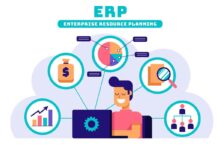
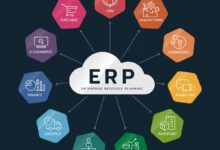
ERP implementation refers to the process of installing, configuring, and deploying an ERP system across an organization. This includes everything from software licensing and hardware setup to data migration, employee training, and ongoing support. It’s not just a tech upgrade—it’s a complete business transformation.
Why ERP Implementation Cost Is Often Underestimated
Many organizations focus only on the upfront software license fee, ignoring the long tail of associated costs. A study by Panorama Consulting found that 75% of ERP projects exceed their initial budget. The main culprits? Scope creep, poor planning, and underestimating the human and operational costs involved.
“The biggest mistake companies make is thinking ERP is just a software purchase. It’s actually a business process overhaul.” — David Loshin, Data Management Expert
7 Key Factors That Influence ERP Implementation Cost
Understanding the drivers behind ERP implementation cost is essential for accurate budgeting. Below are the seven most impactful factors.
1. Company Size and Complexity
The size of your organization directly impacts ERP implementation cost. A small business with 50 employees will naturally spend less than a multinational corporation with 5,000 employees. But it’s not just headcount—complexity matters too.
- Small businesses: Typically spend between $150,000 and $750,000.
- Mid-sized companies: Often face costs from $750,000 to $2 million.
- Large enterprises: Can expect to pay $2 million to $7 million or more.
Complex organizational structures, multiple locations, and diverse business units increase integration needs and training requirements, driving up ERP implementation cost.
2. Software Licensing Model
The way you license your ERP software significantly affects the total cost. There are two main models:
- On-Premise ERP: You purchase a perpetual license and host the software on your own servers. Initial costs are high (often $100,000+), but long-term expenses may be lower if you have in-house IT.
- Cloud-Based ERP (SaaS): You pay a subscription fee (monthly or annually). This model reduces upfront costs but results in recurring payments. For example, SAP S/4HANA Cloud starts at around $180/user/month.
Cloud ERP often leads to lower ERP implementation cost initially but may cost more over a 5–10 year period.
3. Level of Customization
Off-the-shelf ERP systems rarely fit perfectly. Most companies need some level of customization to align the software with existing workflows. However, customization is one of the most expensive aspects of ERP implementation cost.
- Minor tweaks (e.g., report formatting): $10,000–$50,000
- Moderate customization (e.g., workflow automation): $50,000–$200,000
- Heavy customization (e.g., industry-specific modules): $200,000+
Excessive customization can also make future upgrades difficult and costly. As a rule of thumb, avoid customizing unless absolutely necessary.
4. Data Migration and Integration
Moving data from legacy systems into a new ERP platform is both technically challenging and expensive. Poor data quality, inconsistent formats, and lack of documentation can double migration costs.
- Data cleansing: $15,000–$100,000
- System integration (e.g., CRM, HRIS): $20,000–$150,000
- Middleware or API development: $10,000–$75,000
According to Panorama Consulting’s 2023 ERP Report, data issues are the second most common cause of ERP project failure.
5. Consulting and Professional Services
Most companies hire external consultants to guide their ERP implementation. These experts help with planning, configuration, testing, and training. But their fees add up quickly.
- Hourly rates: $150–$300 per hour
- Project-based fees: $50,000–$500,000+
- Big Four firms (e.g., Deloitte, PwC): Often charge premium rates
While consultants can prevent costly mistakes, over-reliance on them can inflate ERP implementation cost. Consider a hybrid model: use consultants for strategy and complex tasks, but train internal staff to handle day-to-day configuration.
6. Training and Change Management
Even the best ERP system fails if employees don’t use it properly. Training and change management are often underestimated components of ERP implementation cost.
- End-user training: $50–$150 per employee
- Super-user training: $200–$500 per person
- Change management programs: $20,000–$100,000
A lack of user adoption is a top reason for ERP failure. Investing in comprehensive training and communication can save millions in lost productivity.
7. Ongoing Maintenance and Support
ERP implementation cost doesn’t end at go-live. You’ll need to budget for ongoing expenses:
- Annual support fees: 15%–22% of software license cost
- Cloud subscription renewals: Monthly or annual
- System upgrades: Every 3–5 years, costing 30%–50% of initial implementation
- Internal IT staff: Salaries for ERP administrators and support teams
Ignoring post-implementation costs can lead to system stagnation and security risks.
ERP Implementation Cost by Industry
Different industries face unique challenges and regulatory requirements, which influence ERP implementation cost.
Manufacturing
Manufacturers often require advanced features like production scheduling, inventory tracking, and quality control. These needs increase customization and integration costs.
- Typical ERP implementation cost: $500,000–$3 million
- Key drivers: Supply chain integration, shop floor control, compliance (e.g., ISO, FDA)
- Popular systems: SAP, Oracle, Infor
For example, a discrete manufacturer implementing SAP might spend $1.2 million over 12 months, including $300,000 on integration with MES (Manufacturing Execution Systems).
Retail and E-Commerce
Retailers need real-time inventory, omnichannel sales, and customer data integration. ERP systems must sync with POS, e-commerce platforms, and logistics providers.
- Typical ERP implementation cost: $200,000–$1.5 million
- Key drivers: Integration with Shopify, Magento, or Salesforce Commerce Cloud
- Popular systems: NetSuite, Microsoft Dynamics 365, Acumatica
A mid-sized e-commerce brand using NetSuite reported spending $450,000 on implementation, with 40% allocated to integration and data migration.
Healthcare
Healthcare organizations must comply with HIPAA, manage patient records, and integrate with EHR systems. These requirements add complexity and cost.
- Typical ERP implementation cost: $1 million–$5 million
- Key drivers: Regulatory compliance, patient billing, clinical integration
- Popular systems: Epic, Cerner, Oracle Health
A regional hospital implementing an ERP system spent $2.8 million, with $600,000 dedicated to HIPAA-compliant data migration and security protocols.
ERP Implementation Cost by Vendor
The choice of ERP vendor plays a major role in determining total cost. Let’s compare some of the top players.
SAP
SAP is a leader in enterprise ERP, especially for large organizations. However, it comes with a high price tag.
- SAP S/4HANA Cloud: $180–$250/user/month
- On-premise licensing: $50,000–$100,000 per module
- Implementation services: $500,000–$5 million+
Total ERP implementation cost for a mid-sized company: $1.5 million–$4 million. SAP’s complexity requires expert consultants, which drives up costs.
Oracle
Oracle ERP Cloud is a strong competitor, offering deep financial and supply chain functionality.
- Oracle ERP Cloud: $150–$220/user/month
- Implementation: $300,000–$3 million
- Industry-specific modules: Additional $50,000–$200,000
Oracle’s strength in database technology makes integration smoother, potentially reducing ERP implementation cost over time. However, licensing can be complex and expensive.
Microsoft Dynamics 365
Dynamics 365 is popular for mid-sized businesses due to its integration with Microsoft 365 and Azure.
- Licensing: $80–$200/user/month
- Implementation: $100,000–$1.2 million
- Partner ecosystem: Wide range of certified consultants
ERP implementation cost is generally lower than SAP or Oracle, especially for companies already using Microsoft products. A manufacturer using Dynamics 365 Finance reported a total cost of $680,000 over 9 months.
NetSuite
NetSuite, owned by Oracle, is a leading cloud ERP for small and mid-sized businesses.
- NetSuite ERP: $999/month base + $99/user/month
- Implementation: $50,000–$500,000
- Industry editions: Additional $10,000–$50,000
NetSuite offers predictable pricing and faster implementation. A SaaS startup spent $180,000 on NetSuite implementation, including integration with Salesforce and Stripe.
Hidden Costs in ERP Implementation
Many ERP projects go over budget because of hidden or underestimated expenses. Let’s shine a light on the most common ones.
Scope Creep
Scope creep occurs when new features or requirements are added during implementation. What started as a finance module rollout can balloon into a full-scale transformation.
- Example: Adding HR and payroll modules mid-project
- Cost impact: +20%–50% to total ERP implementation cost
- Prevention: Define clear project scope and change control process
According to the Project Management Institute, 43% of projects experience scope creep, leading to delays and cost overruns.
Internal Resource Drain
ERP implementation requires significant time from internal staff—IT, finance, operations, and HR. While these employees aren’t billed hourly, their time has real opportunity cost.
- Key personnel spend 20%–50% of their time on ERP for 6–18 months
- Lost productivity: $100,000–$500,000 in opportunity cost
- Morale impact: Burnout from dual responsibilities
Factor in internal labor when calculating ERP implementation cost—even if no direct salary is paid.
Post-Go-Live Support and Fixes
After go-live, issues inevitably arise: bugs, user errors, performance bottlenecks. Resolving these requires ongoing support.
- First 90 days post-go-live: Highest support demand
- Cost: $20,000–$100,000 for emergency fixes and tuning
- Need for hypercare teams: Dedicated support staff for the first few months
Skipping post-go-live support can lead to system abandonment. A retail chain lost $2 million in sales due to inventory inaccuracies in the first month after ERP go-live.
How to Reduce ERP Implementation Cost
While ERP implementation cost is substantial, it doesn’t have to break the bank. Here are proven strategies to control spending.
Choose the Right Deployment Model
For most mid-sized and growing companies, cloud ERP offers the best value. It reduces upfront hardware and IT costs.
- Cloud ERP: Lower initial investment, faster deployment
- On-premise: Higher control, but greater capital expense
- Hybrid: Combine cloud and on-premise for flexibility
A 2023 survey by Gartner found that 85% of new ERP deployments are now cloud-based.
Leverage Pre-Built Templates and Best Practices
Vendors like SAP, Oracle, and NetSuite offer industry-specific templates that reduce customization needs.
- Use standard workflows instead of building from scratch
- Adopt vendor-recommended business processes
- Save 30%–50% on consulting and development costs
One manufacturer saved $220,000 by using SAP’s pre-configured manufacturing template instead of custom development.
Invest in Change Management Early
Resisting change is the #1 cause of ERP failure. Proactive change management reduces resistance and speeds adoption.
- Start communication 6 months before go-live
- Train super-users early to become internal champions
- Use feedback loops to address concerns
Companies with strong change management are 6 times more likely to achieve ROI, according to Prosci.
Negotiate Vendor and Consultant Contracts
Don’t accept the first quote. Negotiate pricing, payment terms, and service levels.
- Bundle software and services for discounts
- Ask for fixed-price implementation contracts
- Compare multiple vendors and partners
A university saved $380,000 by negotiating a fixed-fee contract with a NetSuite partner instead of hourly billing.
ERP Implementation Cost: Real-World Case Studies
Let’s look at real examples to understand how ERP implementation cost plays out in practice.
Case Study 1: Mid-Sized Manufacturer ($1.2M Budget)
A U.S.-based manufacturer with 400 employees implemented SAP S/4HANA Cloud to streamline operations.
- Software licensing: $300,000 (3-year subscription)
- Consulting services: $500,000 (Deloitte)
- Data migration: $120,000
- Training: $80,000
- Internal labor: $200,000 (opportunity cost)
Total ERP implementation cost: $1.2 million over 14 months. The company achieved ROI in 18 months through inventory optimization and reduced order processing time.
Case Study 2: E-Commerce Startup ($180K Budget)
A fast-growing e-commerce brand with 75 employees chose NetSuite to replace spreadsheets and legacy tools.
- NetSuite subscription: $15,000/year
- Implementation partner: $120,000
- Integration with Shopify and Stripe: $30,000
- Training: $15,000
Total ERP implementation cost: $180,000 over 6 months. The system paid for itself in 10 months by reducing accounting errors and improving cash flow visibility.
Case Study 3: Regional Hospital ($2.8M Budget)
A 300-bed hospital implemented Oracle Health ERP to improve financial and patient management.
- Licensing: $800,000 (5-year agreement)
- Consulting: $1.1 million (PwC)
- Data migration and HIPAA compliance: $600,000
- Training and change management: $300,000
Total ERP implementation cost: $2.8 million over 18 months. The hospital reduced billing errors by 40% and cut accounts receivable days by 15.
Future Trends Impacting ERP Implementation Cost
The ERP landscape is evolving, and new trends are reshaping cost structures.
AI and Automation
Modern ERP systems are integrating AI for predictive analytics, automated journal entries, and intelligent workflows. While AI adds value, it may increase implementation complexity and cost.
- AI modules: +10%–20% to software licensing
- Training for AI features: Additional $10,000–$50,000
- Long-term savings: Reduced manual work and errors
Companies adopting AI-powered ERP report 25% faster month-end closing.
Low-Code/No-Code Customization
Vendors are offering drag-and-drop tools for customization, reducing reliance on developers.
- Lowers customization cost by 30%–60%
- Empowers business users to make changes
- Reduces ERP implementation cost and timeline
Microsoft Dynamics 365 and NetSuite lead in this area, enabling faster, cheaper implementations.
Subscription Fatigue and Total Cost of Ownership
While cloud ERP has lower upfront costs, long-term subscription fees can exceed on-premise costs over 10 years.
- Cloud TCO (10 years): 1.5x–2x initial estimate
- On-premise TCO: Higher upfront, lower long-term
- Hybrid models gaining traction
Businesses are now conducting detailed TCO analyses before choosing deployment models.
What is the average ERP implementation cost?
The average ERP implementation cost ranges from $150,000 for small businesses to over $7 million for large enterprises. Mid-sized companies typically spend between $750,000 and $2 million. Costs depend on software, customization, consulting, and internal resources.
What are the biggest contributors to ERP implementation cost?
The top cost drivers are software licensing, consulting services, customization, data migration, training, and ongoing support. Hidden costs like scope creep and internal labor also significantly impact the total budget.
How can I reduce ERP implementation cost?
You can reduce ERP implementation cost by choosing cloud ERP, using pre-built templates, negotiating vendor contracts, investing in change management, and avoiding unnecessary customization. Planning and vendor comparison are key.
Does ERP implementation cost include training?
Yes, training is a major component of ERP implementation cost. End-user training, super-user training, and change management programs typically cost $50–$150 per employee and can total $20,000–$100,000 for medium to large organizations.
Is cloud ERP cheaper than on-premise?
Cloud ERP is usually cheaper upfront due to lower hardware and IT costs. However, over a 5–10 year period, subscription fees may make it more expensive than on-premise. The best choice depends on your budget, IT capabilities, and long-term strategy.
ERP implementation cost is a complex but critical topic for any organization considering digital transformation. From software licensing to hidden internal costs, the total investment can vary dramatically. By understanding the key cost drivers—company size, customization, consulting, and ongoing support—you can plan more accurately and avoid budget overruns. Real-world case studies show that while ERP projects are expensive, they can deliver strong ROI when managed well. As AI, low-code tools, and cloud models evolve, the cost landscape will continue to shift. The key is to plan thoroughly, negotiate wisely, and focus on long-term value, not just upfront price.
Further Reading:
