Running a small business is exciting, but managing operations efficiently can be overwhelming. An ERP for small business streamlines processes, boosts productivity, and drives growth—all in one integrated system.
What Is ERP for Small Business?

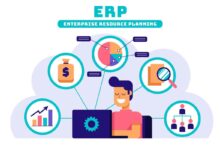
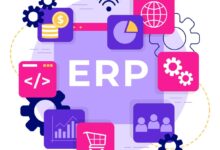
Enterprise Resource Planning (ERP) systems are no longer just for large corporations. Today, cloud-based, scalable solutions make ERP for small business not only accessible but essential. These systems integrate core business functions—like finance, inventory, HR, and sales—into a single platform, providing real-time data and improving decision-making.
Definition and Core Components
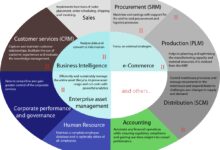
An ERP system centralizes data from various departments into one unified database. For small businesses, this means eliminating data silos, reducing manual entry, and minimizing errors. Core components typically include:
- Financial management (accounting, invoicing, budgeting)
- Inventory and supply chain management
- Sales and customer relationship management (CRM)
- Human resources and payroll
- Reporting and analytics
These modules work together seamlessly, allowing small businesses to operate more efficiently and respond quickly to market changes.
How ERP Differs from Traditional Software
Unlike standalone applications—such as Excel spreadsheets or separate accounting and inventory tools—ERP systems offer integration. For example, when a sale is made, the ERP automatically updates inventory levels, triggers invoicing, and records revenue in the financial module. This interconnectedness reduces redundancy and ensures data consistency across the organization.
According to Gartner, ERP systems provide a ‘single source of truth’ for business operations, which is critical for small businesses aiming to scale without chaos.
“ERP is not just software; it’s a strategic tool that aligns people, processes, and technology.” — Gartner Research
Top 7 Benefits of ERP for Small Business
Implementing an ERP for small business can be a game-changer. Here are seven powerful advantages that can transform how you operate.
1. Streamlined Operations and Automation
One of the most immediate benefits of an ERP for small business is automation. Routine tasks like data entry, invoice generation, and inventory updates are handled automatically. This reduces manual labor, minimizes human error, and frees up staff to focus on higher-value activities.
For example, when a customer places an order online, the ERP system can automatically check stock levels, reserve inventory, generate a shipping label, and update the accounting ledger—all without human intervention.
A study by Nucleus Research found that small businesses using ERP systems saw an average productivity increase of 23% due to process automation.
2. Real-Time Data and Business Intelligence
ERP systems provide real-time dashboards and reporting tools that give small business owners instant visibility into key performance indicators (KPIs). Whether it’s daily sales, inventory turnover, or cash flow, having up-to-the-minute data enables faster, more informed decisions.
Imagine being able to see which products are selling fastest, which customers are most profitable, or when to reorder supplies—all from a single dashboard. This level of insight was once only available to large enterprises, but now small businesses can leverage it too.
Tools like SAP Business One and Oracle NetSuite offer built-in analytics that help small businesses forecast trends and identify opportunities.
3. Improved Financial Management
Managing finances is critical for any small business. An ERP for small business simplifies accounting processes by integrating accounts payable, accounts receivable, general ledger, and tax compliance into one system.
This integration ensures that financial reports are accurate and generated quickly. Month-end closing, which might have taken days, can now be completed in hours. Additionally, ERP systems help with budgeting, cash flow forecasting, and audit readiness.
For instance, QuickBooks Enterprise, a popular ERP-like solution, allows small businesses to track expenses, manage payroll, and generate GAAP-compliant financial statements with ease.
Key Features to Look for in an ERP for Small Business
Not all ERP systems are created equal. When choosing an ERP for small business, it’s important to focus on features that align with your operational needs and growth goals.
Scalability and Flexibility
Your business will grow, and your ERP system should grow with it. Look for solutions that allow you to add new modules, users, or locations without a complete overhaul. Cloud-based ERPs like Zoho ERP and Acumatica are known for their scalability.
Scalability also means the system can adapt to different industries—whether you’re in manufacturing, retail, or professional services. A flexible ERP can be customized to match your unique workflows.
User-Friendly Interface
Adoption is key to ERP success. If the system is too complex, employees may resist using it. A modern ERP for small business should have an intuitive interface, role-based dashboards, and mobile accessibility.
For example, Odoo ERP offers a clean, app-like interface that resembles popular consumer software, making it easier for teams to learn and use effectively.
Integration Capabilities
Your ERP should integrate seamlessly with other tools you already use—like e-commerce platforms (Shopify, WooCommerce), payment gateways (Stripe, PayPal), and email marketing services (Mailchimp).
erp for small business – Erp for small business menjadi aspek penting yang dibahas di sini.
APIs (Application Programming Interfaces) and pre-built connectors ensure smooth data flow between systems. For instance, integrating your ERP with Shopify means sales orders automatically sync to your inventory and accounting modules, reducing manual work and errors.
“The best ERP systems don’t just manage data—they connect your entire business ecosystem.” — TechCrunch
Popular ERP Solutions for Small Business
With so many options available, choosing the right ERP for small business can be overwhelming. Here’s a breakdown of some of the most popular and effective solutions on the market.
1. Zoho ERP (Zoho One)
Zoho One is an all-in-one business management suite that includes ERP functionality. It’s ideal for small businesses looking for an affordable, cloud-based solution with strong automation and integration capabilities.
Key features include:
- Financial management and invoicing
- Inventory and order tracking
- CRM and sales automation
- HR and project management
- AI-powered analytics (Zia)
Zoho integrates with over 40 apps out of the box and offers a free trial. It’s particularly popular among service-based businesses and startups.
Learn more at Zoho One Official Site.
2. Odoo
Odoo is an open-source ERP platform that offers a modular approach. You can start with basic accounting and inventory, then add modules like manufacturing, e-commerce, or point-of-sale as your business grows.
Advantages of Odoo:
- Highly customizable
- One-time purchase or subscription model
- Strong community support
- Mobile-friendly interface
Odoo is especially popular with small manufacturers and retailers. Its flexibility makes it a favorite for businesses with unique processes.
Explore Odoo at Odoo Official Website.
3. NetSuite by Oracle
NetSuite is a cloud-based ERP designed for growing small to mid-sized businesses. It’s more robust than entry-level systems and offers advanced features like multi-currency support, global tax compliance, and advanced financial reporting.
Best for:
- Businesses planning rapid growth
- Companies with multiple locations or international operations
- Industries like wholesale distribution, SaaS, and professional services
NetSuite is a premium solution with a higher price point, but it delivers enterprise-level functionality tailored for scalability.
Visit NetSuite Official Site for a demo.
How to Choose the Right ERP for Small Business
Selecting the right ERP for small business requires careful planning and evaluation. Here’s a step-by-step guide to help you make the best decision.
Assess Your Business Needs
Start by identifying your pain points. Are you struggling with inventory accuracy? Is financial reporting taking too long? Do sales and operations teams work in silos?
Create a list of must-have features and nice-to-have features. For example, if you run an e-commerce store, real-time inventory sync with your online platform is a must. If you have remote employees, mobile access is essential.
Involve key stakeholders—accountants, sales managers, warehouse supervisors—in the evaluation process to ensure the system meets everyone’s needs.
Consider Deployment Options: Cloud vs. On-Premise
Most small businesses today opt for cloud-based ERP systems due to their lower upfront costs, automatic updates, and remote accessibility.
Cloud ERP benefits:
- No need for expensive servers or IT staff
- Access from anywhere with an internet connection
- Automatic backups and security updates
- Pay-as-you-go pricing models
On-premise ERP, while offering more control, requires significant investment in hardware, maintenance, and IT support. It’s typically not recommended for small businesses unless there are strict data sovereignty requirements.
According to IDC, over 70% of small businesses now prefer cloud ERP solutions for their agility and cost-efficiency.
erp for small business – Erp for small business menjadi aspek penting yang dibahas di sini.
Evaluate Total Cost of Ownership (TCO)
When comparing ERP systems, look beyond the monthly subscription fee. Consider the total cost of ownership, including:
- Implementation and setup fees
- Training costs
- Customization and integration expenses
- Ongoing support and maintenance
- Cost of downtime during transition
Some vendors offer free implementation for basic setups, while others charge thousands. Always request a detailed quote and ask about hidden fees.
For example, a system priced at $100/user/month might seem affordable, but with 10 users and a $5,000 setup fee, the first-year cost could exceed $17,000.
Common Challenges When Implementing ERP for Small Business
While ERP systems offer immense benefits, implementation can be challenging. Being aware of common pitfalls can help you avoid them.
Resistance to Change
Employees may resist adopting a new system, especially if they’re used to spreadsheets or legacy software. Fear of job loss or increased workload can lead to low engagement.
Solution: Involve your team early, provide hands-on training, and communicate the benefits clearly. Show how the ERP will make their jobs easier, not harder.
For example, warehouse staff might appreciate not having to manually update inventory sheets, while accountants will value automated financial reporting.
Data Migration Issues
Moving data from old systems to a new ERP can be complex. Incomplete, duplicate, or inaccurate data can cause errors in the new system.
Best practices:
- Clean your data before migration
- Map data fields carefully between old and new systems
- Test the migration with a small dataset first
- Have IT support or vendor assistance during the process
Many ERP vendors offer data migration services as part of their onboarding package.
Underestimating Training Needs
Even the most user-friendly ERP requires training. Skipping proper onboarding leads to underutilization and frustration.
Invest in structured training programs—live workshops, video tutorials, and documentation. Assign ‘ERP champions’ within each department to support peers and encourage adoption.
A study by Panorama Consulting found that 60% of ERP projects fail due to inadequate training and change management.
“Technology is only as good as the people who use it.” — Harvard Business Review
Future Trends in ERP for Small Business
The ERP landscape is evolving rapidly, driven by advancements in AI, cloud computing, and mobile technology. Small businesses that stay ahead of these trends can gain a competitive edge.
AI and Machine Learning Integration
Modern ERP systems are incorporating artificial intelligence to automate complex tasks and provide predictive insights. For example, AI can forecast inventory needs based on historical sales, weather patterns, and market trends.
Zia, Zoho’s AI assistant, can analyze sales data and suggest optimal pricing strategies. NetSuite’s AI capabilities help identify at-risk customers and recommend retention actions.
These tools enable small businesses to make smarter decisions without needing a data science team.
Mobile-First ERP Design
With more employees working remotely or on the go, mobile access is no longer optional. Leading ERP systems now offer robust mobile apps that allow users to approve expenses, check inventory, or generate invoices from their smartphones.
Odoo and SAP Business One both offer mobile apps with offline capabilities, ensuring productivity even without internet access.
According to Statista, over 60% of small business owners use mobile devices to manage operations—making mobile ERP a must-have feature.
Industry-Specific ERP Solutions
Generic ERPs are being replaced by industry-tailored solutions. For example, a restaurant might use an ERP with built-in table management and recipe costing, while a construction firm needs project-based accounting and equipment tracking.
Vendors like Jobber (for service businesses) and TradeGecko (for retailers) offer specialized ERPs that address niche needs, reducing the need for extensive customization.
erp for small business – Erp for small business menjadi aspek penting yang dibahas di sini.
This trend allows small businesses to get more value out of their ERP with less effort.
Success Stories: Small Businesses Thriving with ERP
Real-world examples demonstrate the transformative power of ERP for small business.
Case Study 1: EcoCycle Solutions
EcoCycle, a small recycling company with 25 employees, struggled with manual data entry and delayed financial reporting. After implementing Zoho One, they automated invoicing, inventory tracking, and payroll.
Results:
- Reduced month-end closing from 10 days to 2 days
- Improved inventory accuracy by 95%
- Increased employee productivity by 30%
“The ERP gave us the visibility we needed to grow confidently,” said CEO Maria Thompson.
Case Study 2: Bella’s Boutique
Bella’s Boutique, an online fashion retailer, used spreadsheets to manage orders and inventory. As sales grew, stockouts and overselling became common.
They switched to Odoo ERP, integrating it with their Shopify store. Now, every sale automatically updates inventory and triggers fulfillment.
Results:
- Eliminated overselling completely
- Reduced order processing time by 50%
- Scaled from 100 to 500 orders per week without adding staff
“Odoo was the backbone of our growth,” said owner James Lee.
Read more success stories at Zoho Customer Stories and Odoo Customer Testimonials.
What is the best ERP for small business?
The best ERP for small business depends on your industry, size, budget, and growth plans. Popular options include Zoho One for affordability, Odoo for customization, and NetSuite for scalability. Evaluate your needs and take advantage of free trials to find the right fit.
How much does an ERP for small business cost?
Costs vary widely. Entry-level ERPs like Zoho One start at around $30/user/month. Mid-tier solutions like Odoo range from $20 to $100/user/month. Premium systems like NetSuite can cost $1,000+ per month. Implementation fees may add $2,000 to $10,000 depending on complexity.
Can a small business really benefit from ERP?
Absolutely. Modern ERP systems are designed for small businesses, offering automation, real-time insights, and scalability. Companies that implement ERP often see improved efficiency, better decision-making, and faster growth.
Is cloud ERP safe for small businesses?
Yes. Reputable cloud ERP providers use advanced security measures like encryption, multi-factor authentication, and regular audits. In many cases, cloud ERP is more secure than on-premise systems, which may lack dedicated IT security resources.
How long does ERP implementation take?
Implementation time varies. Simple cloud ERPs can be up and running in 2–4 weeks. More complex systems with customization and data migration may take 3–6 months. Proper planning and vendor support can speed up the process.
Adopting an ERP for small business is one of the most strategic moves you can make. It transforms fragmented operations into a cohesive, data-driven organization. From automating daily tasks to providing real-time insights, the right ERP empowers small businesses to compete with larger players. By understanding your needs, choosing the right solution, and managing implementation effectively, you can unlock efficiency, scalability, and long-term success.
erp for small business – Erp for small business menjadi aspek penting yang dibahas di sini.
Further Reading:
