In today’s fast-paced industrial world, an ERP for manufacturing isn’t just a luxury—it’s a necessity. Discover how this powerful tool transforms operations, boosts efficiency, and drives growth across the production floor.
What Is ERP for Manufacturing?

Enterprise Resource Planning (ERP) for manufacturing is a comprehensive software solution designed to integrate and streamline all core business processes within a manufacturing environment. Unlike generic ERP systems, manufacturing-specific ERPs are tailored to handle the complexities of production planning, inventory control, supply chain logistics, quality management, and shop floor operations.
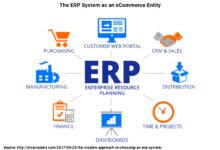
Core Components of Manufacturing ERP
A robust ERP for manufacturing includes several interconnected modules that work in unison to provide real-time visibility and control over operations. These typically include:
- Production Planning and Scheduling
- Inventory and Warehouse Management
- Supply Chain and Procurement
- Quality Control and Compliance
- Financial Management and Cost Accounting
- Customer Relationship Management (CRM)
Each module feeds data into a centralized database, ensuring that every department—from procurement to sales—operates with the same up-to-date information. This eliminates data silos and reduces errors caused by manual entry or outdated spreadsheets.
Types of Manufacturing ERP Systems
Not all manufacturing businesses are the same, and neither are their ERP needs. There are three primary types of ERP systems tailored for different manufacturing models:
- Discrete Manufacturing ERP: Designed for industries that produce distinct items like automobiles, electronics, or machinery. These systems focus on bill of materials (BOM), work orders, and assembly line tracking.
- Process Manufacturing ERP: Ideal for industries producing goods in batches or continuous flows, such as food & beverage, pharmaceuticals, or chemicals. These ERPs emphasize recipe management, batch tracking, and compliance with regulatory standards.
- Hybrid Manufacturing ERP: Combines features of both discrete and process models, suitable for companies that produce both assembled products and formulated goods.
Choosing the right type depends on your production model, scale, and regulatory requirements. For example, a company producing medical devices may need both BOM management and strict FDA compliance tracking, making a hybrid system the best fit.
“An ERP system is the central nervous system of a modern manufacturing operation.” — Gartner Research
Why ERP for Manufacturing Is a Game-Changer
The shift from legacy systems or standalone software to an integrated ERP for manufacturing can be transformative. It’s not just about automating tasks—it’s about gaining strategic insights, improving responsiveness, and future-proofing your business.
Real-Time Data Visibility Across Operations
One of the most significant advantages of an ERP for manufacturing is the ability to access real-time data from every corner of the business. Whether it’s machine uptime on the shop floor, raw material inventory levels, or order fulfillment status, decision-makers can view accurate, live information.
This transparency allows managers to identify bottlenecks quickly. For instance, if a machine is down, the system can automatically alert maintenance teams and reschedule production orders, minimizing downtime. Real-time dashboards provide KPIs like Overall Equipment Effectiveness (OEE), on-time delivery rates, and inventory turnover, enabling proactive management.
Improved Operational Efficiency
Manual processes are time-consuming and prone to errors. An ERP for manufacturing automates repetitive tasks such as purchase order generation, inventory updates, and production scheduling. This reduces administrative overhead and frees up staff to focus on higher-value activities.
For example, instead of manually checking inventory levels and placing orders, the ERP system can automatically trigger reorders when stock falls below a predefined threshold. This prevents stockouts and overstocking, both of which can be costly.
According to a McKinsey report, manufacturers who implement digital tools like ERP systems see a 10–20% improvement in operational efficiency within the first year.
Key Features of a Modern ERP for Manufacturing
To truly maximize the value of an ERP for manufacturing, it’s essential to understand the critical features that set modern systems apart from older, outdated solutions.
Advanced Production Planning and Scheduling
Modern ERP systems offer sophisticated planning tools that go beyond simple calendars. They use algorithms to optimize production schedules based on machine availability, labor shifts, material supply, and delivery deadlines.
Finite capacity scheduling ensures that no machine or worker is over-allocated, reducing bottlenecks and improving throughput. Some systems even integrate with MES (Manufacturing Execution Systems) for real-time shop floor control.
Integrated Inventory and Warehouse Management
Inventory is one of the largest assets in a manufacturing company, and mismanagement can lead to waste, obsolescence, or production halts. ERP for manufacturing provides tools for:
- Multi-location inventory tracking
- Lot and serial number traceability
- Automated cycle counting
- Just-in-Time (JIT) inventory support
For example, in the automotive industry, traceability is critical for recalls. An ERP system can track every component back to its supplier and production batch, enabling rapid response in case of defects.
Supply Chain and Procurement Integration
A modern ERP for manufacturing doesn’t operate in isolation—it connects seamlessly with suppliers, logistics partners, and customers. Features include:
- Automated purchase order creation and approval workflows
- Supplier performance tracking (on-time delivery, quality ratings)
- Demand forecasting based on historical data and market trends
- EDI (Electronic Data Interchange) integration for order and invoice exchange
This integration reduces lead times and improves supplier collaboration. For instance, a manufacturer can share forecast data with key suppliers, allowing them to prepare materials in advance, reducing the risk of delays.
Top Benefits of Implementing ERP for Manufacturing
The return on investment (ROI) from an ERP for manufacturing can be substantial. Beyond cost savings, it enhances agility, compliance, and customer satisfaction.
Reduced Operational Costs
By automating workflows and optimizing resource use, ERP systems help reduce waste and inefficiencies. For example, accurate demand forecasting prevents overproduction, while real-time inventory tracking reduces carrying costs.
A study by Nucleus Research found that manufacturers achieve an average ROI of $4.20 for every dollar spent on ERP software, primarily due to labor savings and reduced inventory costs.
Enhanced Quality Control and Compliance
In regulated industries like aerospace, pharmaceuticals, or food production, compliance is non-negotiable. ERP for manufacturing includes built-in quality management systems (QMS) that support ISO, FDA, or AS9100 standards.
Features such as non-conformance tracking, corrective action requests (CAR), and audit trails ensure that quality issues are documented and resolved systematically. This not only reduces the risk of recalls but also strengthens customer trust.
Improved Customer Satisfaction
When production is efficient and on schedule, delivery performance improves. ERP systems provide accurate order tracking, enabling sales teams to give customers precise delivery dates.
Additionally, CRM integration allows manufacturers to manage customer interactions, track service requests, and personalize offerings. For example, a custom machinery builder can use ERP data to recommend maintenance schedules or upgrades based on actual usage patterns.
Challenges in ERP for Manufacturing Implementation
Despite its benefits, implementing an ERP for manufacturing is not without challenges. Understanding these hurdles upfront can help organizations prepare and mitigate risks.
Data Migration and System Integration
One of the most complex aspects of ERP implementation is migrating data from legacy systems. Inaccurate or incomplete data can lead to errors in production planning and financial reporting.
Best practices include:
- Conducting a thorough data audit before migration
- Standardizing data formats (e.g., part numbers, units of measure)
- Using middleware or APIs to integrate with existing machinery or third-party software
For example, a manufacturer using CNC machines may need to integrate machine data (via OPC-UA or MTConnect) into the ERP system for real-time monitoring.
Employee Resistance and Change Management
Employees accustomed to old processes may resist new technology. This can lead to low adoption rates and underutilization of the system.
Effective change management strategies include:
- Early involvement of key users in the selection and design process
- Comprehensive training programs tailored to different roles (shop floor workers, planners, accountants)
- Clear communication about the benefits of the new system
Leadership buy-in is crucial. When managers actively use the system and demonstrate its value, employees are more likely to follow suit.
How to Choose the Right ERP for Manufacturing
Selecting the right ERP system requires careful evaluation of your business needs, budget, and long-term goals.
Assess Your Business Requirements
Start by identifying your pain points. Are you struggling with inventory accuracy? Is production scheduling a constant challenge? Do you need better compliance reporting?
Create a detailed list of must-have features and nice-to-have functionalities. Involve stakeholders from production, finance, procurement, and IT to ensure all perspectives are considered.
Cloud vs. On-Premise ERP Solutions
Modern ERP systems are available in two main deployment models:
- Cloud-Based ERP: Hosted on the vendor’s servers, accessible via the internet. Offers lower upfront costs, automatic updates, and scalability. Ideal for mid-sized manufacturers or those with multiple locations.
- On-Premise ERP: Installed on the company’s own servers. Provides greater control over data and customization but requires significant IT infrastructure and maintenance.
According to Gartner, cloud ERP adoption in manufacturing is growing rapidly, with over 60% of new implementations being cloud-based due to faster deployment and lower TCO (Total Cost of Ownership).
Vendor Evaluation and Support
Not all ERP vendors are created equal. Evaluate potential vendors based on:
- Industry-specific expertise (do they have experience in your sector?)
- Customer support and training offerings
- System scalability and upgrade path
- User reviews and case studies
Request demos and trial periods to test usability. Ask for references from similar-sized manufacturers in your industry.
Future Trends in ERP for Manufacturing
The evolution of ERP for manufacturing is being driven by emerging technologies that promise even greater intelligence and automation.
AI and Machine Learning Integration
Artificial Intelligence (AI) is transforming ERP systems from reactive tools to predictive platforms. AI-powered ERPs can:
- Predict equipment failures using machine learning models
- Optimize production schedules based on real-time demand changes
- Automate invoice matching and fraud detection in procurement
For example, Siemens uses AI in its ERP and MES systems to predict maintenance needs, reducing unplanned downtime by up to 30%.
IoT and Smart Factory Integration
The Internet of Things (IoT) enables machines, sensors, and devices to communicate directly with the ERP system. This creates a ‘smart factory’ where data flows seamlessly from the shop floor to the top floor.
Real-time machine data can be used to update production progress automatically, adjust schedules, and trigger quality checks. This level of integration enhances agility and responsiveness.
Blockchain for Supply Chain Transparency
Blockchain technology is being explored to enhance traceability and trust in the supply chain. By recording every transaction in an immutable ledger, manufacturers can verify the origin of raw materials, ensure ethical sourcing, and streamline audits.
For instance, a food manufacturer can use blockchain to prove that ingredients are organic or sustainably sourced, adding value for conscious consumers.
Success Stories: Real-World ERP for Manufacturing Implementations
Real-world examples demonstrate the tangible impact of ERP for manufacturing across industries.
Case Study: Automotive Parts Manufacturer
A mid-sized automotive supplier implemented an ERP for manufacturing to address chronic delays and inventory inaccuracies. Within 12 months, they achieved:
- 25% reduction in inventory carrying costs
- 95% on-time delivery rate (up from 70%)
- 30% faster month-end closing
The system integrated production scheduling with supplier portals, enabling real-time material availability checks and automatic rescheduling during disruptions.
Case Study: Pharmaceutical Producer
A global pharmaceutical company deployed a process manufacturing ERP to comply with FDA 21 CFR Part 11 regulations. The system provided:
- Full batch traceability from raw materials to finished goods
- Electronic batch records (EBR) with audit trails
- Automated quality testing workflows
This reduced compliance audit preparation time by 60% and eliminated manual record-keeping errors.
What is ERP for manufacturing?
ERP for manufacturing is a specialized software system that integrates core business processes such as production planning, inventory management, supply chain, quality control, and finance into a single platform, enabling real-time data sharing and operational efficiency.
How much does an ERP for manufacturing cost?
Costs vary widely based on company size, deployment model, and features. Cloud-based systems can start at $1,000/month for small manufacturers, while enterprise on-premise solutions may cost $500,000+ with implementation. Total cost includes licensing, training, and support.
How long does ERP implementation take?
Implementation typically takes 6 to 18 months. Small businesses may go live in 3–6 months, while complex, multi-site enterprises can take over a year. Proper planning, data migration, and training are critical for success.
Can ERP improve supply chain visibility?
Yes. ERP for manufacturing provides end-to-end supply chain visibility by integrating procurement, inventory, logistics, and supplier data. This enables better demand forecasting, risk mitigation, and collaboration with partners.
Is cloud ERP secure for manufacturing?
Yes, reputable cloud ERP providers use advanced security measures like encryption, multi-factor authentication, and regular audits. In many cases, cloud systems are more secure than on-premise setups due to dedicated cybersecurity teams and compliance certifications.
Implementing an ERP for manufacturing is one of the most strategic decisions a manufacturer can make. It goes beyond automation—it transforms how businesses operate, compete, and grow. From real-time data insights to improved compliance and customer satisfaction, the benefits are clear. While challenges exist, careful planning, stakeholder engagement, and choosing the right vendor can ensure a successful rollout. As technology evolves with AI, IoT, and blockchain, the future of ERP for manufacturing promises even greater intelligence and connectivity. For manufacturers aiming to stay competitive, investing in a modern ERP system isn’t just an option—it’s a necessity.
Further Reading:
