Imagine running a business where every financial transaction, report, and forecast flows seamlessly across departments. That’s the power of an ERP financial system—your ultimate tool for smarter, faster, and more accurate financial management.
What Is an ERP Financial System?

An ERP (Enterprise Resource Planning) financial system is the backbone of modern business finance. It integrates core financial processes—like accounting, budgeting, reporting, and compliance—into a unified digital platform. Instead of juggling spreadsheets and disconnected software, companies use an ERP financial system to centralize data, automate workflows, and gain real-time financial visibility.
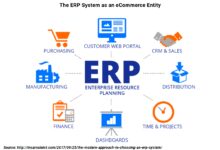
These systems are not just for large corporations. Thanks to cloud-based solutions and scalable designs, even small and mid-sized businesses can leverage an ERP financial system to streamline operations and reduce errors. According to Gartner, ERP systems have evolved from simple inventory tools into comprehensive platforms that drive strategic decision-making.
Core Components of an ERP Financial System
Every ERP financial system includes several key modules that work together to manage a company’s financial health. These components ensure that data flows smoothly from one department to another, eliminating silos and reducing redundancy.
- General Ledger (GL): The central record of all financial transactions, serving as the foundation for financial reporting.
- Accounts Payable (AP): Manages money owed to suppliers and automates invoice processing and payments.
- Accounts Receivable (AR): Tracks customer invoices and payments, improving cash flow management.
- Fixed Assets Management: Monitors depreciation, asset lifecycle, and compliance with tax regulations.
- Cash Management: Provides real-time visibility into cash flow, helping businesses avoid liquidity issues.
- Financial Reporting & Analytics: Generates balance sheets, income statements, and custom reports for stakeholders.
These modules are often integrated with other ERP functions like procurement, inventory, and human resources, creating a holistic view of business performance.
How ERP Financial Systems Differ from Traditional Accounting Software
While traditional accounting software like QuickBooks or Xero focuses primarily on recording transactions and generating basic reports, an ERP financial system goes much further. It’s not just about bookkeeping—it’s about strategic financial control.
For example, accounting software may allow you to create an invoice, but an ERP financial system connects that invoice to inventory levels, production schedules, and customer delivery timelines. This integration enables predictive analytics, scenario modeling, and better forecasting.
As noted by Investopedia, ERP systems provide a single source of truth across departments, reducing data duplication and increasing accuracy. This is especially critical for multinational companies dealing with multiple currencies, tax regulations, and compliance standards.
“ERP systems transform finance from a back-office function into a strategic partner.” — Deloitte Insights
7 Key Benefits of Implementing an ERP Financial System
Adopting an ERP financial system isn’t just a tech upgrade—it’s a strategic move that can redefine how your business operates. From improving accuracy to enabling faster decisions, the benefits are both immediate and long-term.
1. Real-Time Financial Visibility
One of the most powerful advantages of an ERP financial system is real-time access to financial data. Instead of waiting for end-of-month reports, managers can view up-to-the-minute cash flow, profit margins, and expense trends.
This visibility allows for proactive decision-making. For instance, if a department is overspending, leaders can intervene early. If a product line is underperforming, they can adjust pricing or marketing strategies immediately.
Real-time dashboards and customizable KPIs make it easy for non-finance executives to understand financial health without needing deep accounting knowledge. This transparency fosters accountability and alignment across teams.
2. Enhanced Accuracy and Reduced Errors
Manual data entry is one of the biggest sources of financial errors. With an ERP financial system, transactions are automatically recorded and synchronized across modules, minimizing human error.
For example, when a sales order is entered, the system automatically updates inventory, accounts receivable, and revenue forecasts. There’s no need to re-enter data in multiple systems, which reduces the risk of discrepancies.
A study by Deloitte found that companies using ERP systems report up to 40% fewer financial errors compared to those relying on standalone software.
3. Streamlined Compliance and Audit Readiness
Staying compliant with financial regulations like GAAP, IFRS, SOX, and GDPR is a major challenge for businesses. An ERP financial system simplifies compliance by embedding regulatory rules into workflows and maintaining a complete audit trail.
Every transaction is timestamped and traceable, making it easier to prepare for internal and external audits. Automated controls ensure that only authorized users can make changes, and all modifications are logged.
For global companies, ERP systems support multi-currency accounting, tax calculations, and country-specific reporting requirements, reducing the complexity of international operations.
“With ERP, audit preparation goes from a 3-week nightmare to a 3-day routine.” — CFO of a Fortune 500 Manufacturing Firm
How ERP Financial Systems Improve Decision-Making
In today’s fast-paced business environment, decisions can’t wait for monthly reports. An ERP financial system empowers leaders with timely, accurate data that drives smarter strategies.
Advanced Reporting and Dashboards
Modern ERP financial systems come with powerful reporting tools that allow users to create custom dashboards. These dashboards can display key metrics like gross margin, operating expenses, and working capital in real time.
For example, a retail chain can compare store performance across regions, identify underperforming locations, and allocate resources more effectively. A manufacturer can track production costs versus sales revenue to optimize pricing.
These insights are not limited to finance teams. Executives, department heads, and even board members can access tailored reports that align with their responsibilities.
Predictive Analytics and Forecasting
Beyond historical reporting, advanced ERP financial systems use AI and machine learning to predict future trends. By analyzing past data, the system can forecast cash flow, revenue, and expenses with high accuracy.
This capability is invaluable for budgeting and strategic planning. For instance, a company anticipating a seasonal sales dip can adjust staffing or marketing spend in advance. A startup preparing for Series B funding can present investors with data-driven growth projections.
According to a report by McKinsey, organizations using predictive analytics in finance see a 15–20% improvement in forecasting accuracy.
Scenario Planning and ‘What-If’ Analysis
ERP financial systems enable scenario modeling, allowing leaders to test different business strategies before implementation. For example, a company considering expansion can simulate the financial impact of opening a new office, including costs, revenue projections, and cash flow implications.
This ‘what-if’ analysis helps mitigate risk and supports confident decision-making. It’s particularly useful during mergers and acquisitions, product launches, or market entry strategies.
By running multiple scenarios, finance teams can identify the most viable path forward and present data-backed recommendations to stakeholders.
Integration Capabilities of ERP Financial Systems
The true power of an ERP financial system lies in its ability to connect with other business functions. Unlike isolated financial tools, ERP platforms are designed for seamless integration across departments.
Synergy with Supply Chain and Inventory Management
When the ERP financial system is linked to inventory and procurement modules, every purchase order automatically updates accounts payable and inventory levels. This integration prevents overstocking, reduces carrying costs, and improves supplier payment cycles.
For example, if raw material prices rise, the finance team can immediately assess the impact on gross margins and adjust pricing or sourcing strategies accordingly.
This level of coordination ensures that financial decisions are based on real operational data, not estimates or outdated reports.
Connection with Human Capital Management (HCM)
Payroll, benefits, and workforce planning are deeply tied to financial performance. An ERP financial system integrated with HCM modules can track labor costs, overtime, and benefits expenses in real time.
This integration is crucial for service-based businesses where labor is the largest cost. By analyzing employee productivity versus compensation, leaders can optimize staffing levels and improve profitability.
Additionally, automated payroll processing reduces errors and ensures compliance with tax laws, reducing the risk of penalties.
Linking Sales, CRM, and Revenue Recognition
When sales data flows directly into the ERP financial system, revenue recognition becomes more accurate and timely. For businesses with complex contracts or subscription models, this is essential for compliance with ASC 606 or IFRS 15.
Integration with CRM systems like Salesforce allows finance teams to track sales pipelines, forecast revenue, and align financial goals with sales performance.
For example, if a major deal closes, the ERP system can automatically recognize revenue over time based on contract terms, rather than booking it all at once.
“Integration turns data into intelligence.” — SAP SuccessFactors
Top ERP Financial System Providers in 2024
The market for ERP financial systems is highly competitive, with vendors offering solutions for businesses of all sizes and industries. Choosing the right provider depends on your company’s scale, complexity, and long-term goals.
Oracle NetSuite: Best for Mid-Sized Growth Companies
Oracle NetSuite is a cloud-based ERP platform known for its robust financial management capabilities. It’s particularly popular among mid-sized companies experiencing rapid growth.
NetSuite offers real-time financial reporting, multi-subsidiary support, and built-in compliance tools. Its scalability makes it ideal for businesses planning to expand internationally.
Learn more at netsuite.com.
SAP S/4HANA: Enterprise-Grade Powerhouse
SAP S/4HANA is a leading ERP financial system for large enterprises. Built on an in-memory database, it delivers lightning-fast processing for complex financial operations.
It supports advanced features like predictive accounting, AI-driven insights, and real-time consolidation across global entities. SAP is often chosen by manufacturing, energy, and retail giants.
Explore SAP’s offerings at sap.com/products/s4hana-erp.
Microsoft Dynamics 365 Finance: Seamless Microsoft Ecosystem Integration
Microsoft Dynamics 365 Finance is ideal for organizations already using Microsoft 365. It integrates effortlessly with Excel, Power BI, and Azure, making data analysis and reporting intuitive.
Its AI-powered forecasting and automated workflows help finance teams work smarter. The system is highly customizable and supports both cloud and hybrid deployments.
Visit dynamics.microsoft.com for details.
Challenges and Considerations When Implementing an ERP Financial System
While the benefits are substantial, implementing an ERP financial system is not without challenges. A poorly executed rollout can lead to delays, cost overruns, and employee resistance.
Data Migration and System Integration
Transferring data from legacy systems to a new ERP financial system is one of the most complex tasks. Incomplete or inaccurate data migration can compromise financial reporting and erode trust in the system.
Best practices include cleaning data before migration, conducting test runs, and involving IT and finance teams early in the process. Using middleware or APIs can ease integration with existing tools.
User Adoption and Training
Even the most advanced ERP financial system will fail if employees don’t use it properly. Resistance to change is common, especially among staff accustomed to spreadsheets or older software.
Comprehensive training programs, hands-on workshops, and ongoing support are essential. Assigning ‘ERP champions’ in each department can help drive adoption and provide peer support.
According to CIO.com, user adoption is the top predictor of ERP success.
Cost and ROI Expectations
ERP financial systems require significant investment—not just in software licenses, but also in implementation, customization, and training. Cloud-based solutions have reduced upfront costs, but ongoing subscription fees can add up.
Businesses must set realistic ROI expectations. While some benefits (like reduced errors) are immediate, others (like improved decision-making) may take months to materialize.
A clear implementation roadmap, defined KPIs, and regular progress reviews help ensure the project stays on track and delivers value.
Future Trends Shaping ERP Financial Systems
The ERP financial system landscape is evolving rapidly, driven by advances in AI, cloud computing, and automation. Staying ahead of these trends ensures your business remains competitive and agile.
AI and Machine Learning Integration
AI is transforming ERP financial systems from reactive tools into proactive advisors. Machine learning algorithms can detect anomalies in transactions, predict cash flow shortages, and even suggest optimal payment schedules.
For example, AI can flag potential fraud by identifying unusual spending patterns. It can also automate invoice matching and reconciliation, freeing up finance staff for higher-value tasks.
Vendors like Oracle and SAP are embedding AI into their platforms, making these capabilities accessible to more businesses.
Blockchain for Financial Transparency
Blockchain technology is beginning to influence ERP financial systems, particularly in areas requiring high levels of trust and auditability. By creating immutable ledgers, blockchain enhances transparency in financial transactions.
For instance, supply chain payments can be recorded on a blockchain, ensuring that all parties have a verifiable record. This reduces disputes and speeds up reconciliation.
While still in early adoption, blockchain integration is expected to grow, especially in industries like logistics and financial services.
Increased Focus on Sustainability and ESG Reporting
Environmental, Social, and Governance (ESG) reporting is becoming a critical part of financial accountability. Modern ERP financial systems are adding modules to track carbon emissions, energy usage, and social impact metrics.
This data can be integrated into financial reports, helping companies meet regulatory requirements and appeal to socially conscious investors.
For example, a manufacturer can use its ERP system to calculate the carbon footprint of each product line and factor it into pricing or sustainability strategies.
“The future of finance isn’t just about profit—it’s about purpose.” — PwC Global Finance Trends Report
What is an ERP financial system?
An ERP financial system is a software platform that integrates core financial processes—such as accounting, budgeting, reporting, and compliance—into a single, centralized system. It enables real-time data access, automation, and cross-departmental integration to improve financial accuracy and decision-making.
How does an ERP financial system improve accuracy?
By automating data entry and synchronizing transactions across departments, an ERP financial system minimizes human error. It eliminates duplicate data entry, ensures consistent record-keeping, and provides audit trails for every financial action.
Can small businesses benefit from an ERP financial system?
Absolutely. Cloud-based ERP financial systems are scalable and affordable, making them accessible to small and mid-sized businesses. They help streamline operations, improve cash flow visibility, and support growth without the complexity of legacy systems.
What are the main challenges of ERP financial system implementation?
Common challenges include data migration from legacy systems, user adoption, employee training, integration with existing tools, and managing implementation costs. A well-planned strategy and strong change management are key to overcoming these hurdles.
Which industries benefit most from ERP financial systems?
Manufacturing, retail, healthcare, logistics, and professional services benefit significantly from ERP financial systems. However, any industry with complex financial operations, multiple departments, or growth ambitions can gain value from implementation.
Implementing an ERP financial system is more than a technology upgrade—it’s a transformation of how your business manages money, makes decisions, and plans for the future. From real-time reporting to AI-driven insights, these systems empower finance teams to move from number-crunching to strategic leadership. While challenges exist, the long-term benefits in accuracy, compliance, and operational efficiency make it a worthwhile investment. As technology evolves, ERP financial systems will continue to integrate AI, blockchain, and sustainability metrics, shaping the future of finance. The key is to choose the right solution, plan carefully, and commit to continuous improvement. With the right approach, your ERP financial system can become the foundation of a smarter, more resilient business.
Further Reading:
