Switching to a new ERP system? The real challenge isn’t the software—it’s moving your data right. ERP data migration can make or break your digital transformation, and getting it wrong costs time, money, and trust. Let’s dive into how to do it right.
What Is ERP Data Migration and Why It Matters

ERP data migration is the process of transferring data from legacy systems or outdated platforms into a new Enterprise Resource Planning (ERP) environment. This isn’t just copying files—it’s a strategic operation involving extraction, transformation, cleansing, and loading (ETL) of critical business data such as financial records, inventory levels, customer information, and HR details.
When done correctly, ERP data migration ensures business continuity, regulatory compliance, and operational efficiency. When done poorly, it leads to data corruption, system downtime, and failed rollouts. According to Gartner, over 70% of ERP implementation failures are linked to poor data quality during migration.
The Strategic Role of Data in ERP Systems
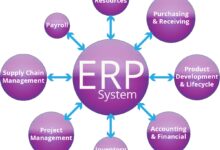
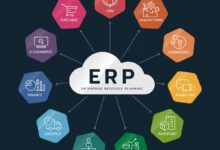
Data is the lifeblood of any ERP system. Unlike standalone applications, ERP platforms integrate multiple business functions—finance, supply chain, manufacturing, sales, and HR—into a unified ecosystem. For this integration to work, data must be accurate, consistent, and accessible across modules.
- Real-time decision-making depends on clean, reliable data.
- Automated workflows fail if source data is incomplete or duplicated.
- Compliance with standards like GDPR, SOX, or HIPAA requires auditable data trails.
“Data is the new oil, but only if it’s refined.” — Clive Humby, Mathematician and Data Science Pioneer
Common Triggers for ERP Data Migration
Organizations don’t migrate data just for fun. There are specific business drivers that make ERP data migration necessary:
- System Upgrades: Moving from an on-premise ERP like SAP ECC to SAP S/4HANA.
- Cloud Migration: Transitioning from legacy systems to cloud-based ERPs like Oracle NetSuite or Microsoft Dynamics 365.
- Mergers & Acquisitions: Consolidating data from multiple ERPs after a company merger.
- Digital Transformation: Adopting modern ERP platforms to enable AI, analytics, and automation.
Each scenario demands a tailored approach to ERP data migration, but the core principles remain the same: accuracy, integrity, and minimal disruption.
Key Challenges in ERP Data Migration
Despite its importance, ERP data migration is notoriously complex. Many organizations underestimate the effort involved, leading to costly delays and operational hiccups. Understanding the common pitfalls is the first step toward avoiding them.
Data Quality Issues
Poor data quality is the number one obstacle in ERP data migration. Legacy systems often contain:
- Duplicate records (e.g., multiple entries for the same customer).
- Incomplete fields (e.g., missing postal codes or tax IDs).
- Inconsistent formats (e.g., dates written as MM/DD/YYYY in one system and DD-MM-YYYY in another).
- Outdated or obsolete data (e.g., inactive suppliers or discontinued products).
Without proper cleansing, these issues propagate into the new ERP system, undermining its reliability. A study by IBM found that poor data quality costs U.S. businesses over $3 trillion annually.
System Compatibility and Integration Gaps
Legacy systems often use proprietary databases, file formats, or custom code that don’t align with modern ERP platforms. For example:
- Migrating from a FoxPro database to Oracle ERP Cloud requires significant data mapping.
- Custom fields in an old ERP may not have equivalents in the new system.
- Real-time integration with third-party apps (e.g., CRM or e-commerce) may break during migration.
These compatibility issues require middleware, APIs, or custom scripts to bridge the gap—adding complexity and risk.
Organizational Resistance and Change Management
ERP data migration isn’t just a technical project—it’s a cultural one. Employees accustomed to old systems may resist change, especially if they fear job loss or increased workload.
- Lack of training leads to user errors post-migration.
- Departmental silos prevent unified data governance.
- Leadership may underestimate the need for communication and support.
According to Prosci, projects with excellent change management are six times more likely to meet objectives than those with poor change management.
7 Critical Steps for Successful ERP Data Migration
To ensure a smooth transition, organizations must follow a structured approach. Here are seven essential steps for ERP data migration success.
Step 1: Assess and Inventory Your Current Data
Before moving data, you need to know what you have. Conduct a comprehensive data audit to identify:
- Which systems hold critical data (e.g., accounting, inventory, HR).
- The volume, format, and structure of existing data.
- Data ownership and access permissions.
- Regulatory requirements for data retention and privacy.
Tools like IBM InfoSphere can help map data sources and assess quality. This step sets the foundation for all subsequent actions.
Step 2: Define Data Migration Scope and Strategy
Not all data needs to be migrated. Define what’s essential based on business needs:
- Go-Live Data: Active customers, open orders, current inventory.
- Archival Data: Historical records kept for compliance but not needed daily.
- Retired Data: Obsolete products or inactive vendors that can be archived or deleted.
Choose a migration strategy:
- Big Bang: Migrate all data at once during a system cutover.
- Phased: Migrate by module (e.g., finance first, then supply chain).
- Parallel Run: Run old and new systems simultaneously for validation.
The choice depends on risk tolerance, system complexity, and business continuity requirements.
Step 3: Cleanse and Standardize Data
Data cleansing is non-negotiable. This step involves:
- Removing duplicates using deduplication tools.
- Filling missing values with defaults or manual input.
- Standardizing formats (e.g., phone numbers, addresses).
- Validating data against business rules (e.g., ensuring all purchase orders have a vendor ID).
According to Experian, 65% of businesses report that inaccurate data negatively impacts customer experience. Use tools like Talend or Atalasoft for automated data quality checks.
Step 4: Map Data Fields Between Systems
Data mapping ensures that fields in the source system align with those in the target ERP. For example:
- “Cust_ID” in the old system becomes “Customer_Number” in SAP.
- “GL_Code” maps to “General_Ledger_Account” in Oracle.
- Custom fields may require transformation logic or new database columns.
Create a detailed data mapping document that includes:
- Source field name and data type.
- Target field name and data type.
- Transformation rules (e.g., concatenation, calculation, lookup).
- Owner and approval status.
This document becomes a critical reference during testing and validation.
Step 5: Extract, Transform, and Load (ETL)
The ETL process is the technical core of ERP data migration:
- Extract: Pull data from source systems using APIs, database queries, or flat files.
- Transform: Apply cleansing, mapping, and business logic to prepare data.
- Load: Insert data into the target ERP system via import tools or APIs.
Use ETL tools like Informatica PowerCenter or AWS Data Migration Service to automate and monitor the process. Schedule multiple test migrations to refine the workflow.
Step 6: Validate and Test Migrated Data
Never assume data migrated correctly. Rigorous testing is essential:
- Run reconciliation reports comparing source and target data counts.
- Validate key fields (e.g., total accounts receivable should match).
- Test business processes (e.g., can you create an invoice using migrated customer data?).
- Involve end-users in User Acceptance Testing (UAT).
Document all discrepancies and re-run migration scripts as needed. Testing should occur in a sandbox environment, not production.
Step 7: Execute Cutover and Monitor Post-Migration
The cutover is the final switch from old to new system. Plan it during low-activity periods (e.g., weekend or month-end close).
- Freeze changes in the legacy system before migration.
- Execute the final ETL process.
- Validate data in the new ERP before go-live.
- Provide immediate support for user issues.
Post-migration monitoring is crucial. Track:
- Data integrity alerts.
- User error rates.
- System performance metrics.
Address issues quickly to maintain confidence in the new system.
Best Practices for ERP Data Migration Success
Beyond the steps, certain best practices dramatically increase the odds of success.
Start Early and Allocate Sufficient Time
ERP data migration is often underestimated in project timelines. Allocate at least 30-40% of your ERP implementation time to data migration activities. Rushing leads to skipped steps and poor outcomes.
- Begin data assessment during the ERP selection phase.
- Allow time for multiple test cycles.
- Factor in delays due to data cleansing or stakeholder feedback.
Engage Cross-Functional Teams
Data doesn’t belong to IT alone. Involve business stakeholders from finance, operations, sales, and HR:
- They understand data context and usage.
- They can validate data accuracy during testing.
- They help define business rules for transformation.
Create a Data Migration Task Force with representatives from each department to ensure alignment.
Leverage Automation and Modern Tools
Manual data migration is error-prone and inefficient. Use modern tools to automate repetitive tasks:
- ETL platforms for data extraction and loading.
- Data quality software for profiling and cleansing.
- AI-powered tools for anomaly detection and pattern recognition.
For example, Microsoft Dynamics 365 offers built-in data migration frameworks that reduce manual effort.
The Role of Data Governance in ERP Migration
Sustainable ERP success depends on strong data governance—defined policies and processes for managing data quality, ownership, and compliance.
Establish Data Ownership and Stewardship
Assign data stewards responsible for specific data domains (e.g., customer data, financial data). Their duties include:
- Approving data mapping rules.
- Resolving data quality issues.
- Ensuring compliance with data policies.
Clear ownership prevents finger-pointing and ensures accountability.
Define Data Quality Metrics
Measure what matters. Track KPIs such as:
- Percentage of duplicate records eliminated.
- Completeness rate of critical fields.
- Number of data validation errors per migration batch.
These metrics help quantify progress and identify areas for improvement.
Implement Ongoing Data Maintenance
Data quality isn’t a one-time project. After migration:
- Set up automated data validation rules in the ERP.
- Schedule periodic data audits.
- Train users on data entry best practices.
Prevention is cheaper than correction.
Real-World ERP Data Migration Case Studies
Theory is useful, but real examples show what works—and what doesn’t.
Case Study 1: Global Manufacturer Migrates to SAP S/4HANA
A multinational industrial equipment maker with 12 legacy ERPs faced integration chaos. They consolidated into SAP S/4HANA using a phased migration approach.
- Spent 6 months on data assessment and cleansing.
- Used SAP Information Steward for data profiling.
- Migrated finance first, then logistics and production.
Result: 99.8% data accuracy at go-live, 30% reduction in month-end close time.
Case Study 2: Retail Chain Fails Cloud ERP Migration
A regional retail chain rushed its migration to Oracle NetSuite, skipping data cleansing.
- Migrated all historical data, including 5 years of inactive customers.
- Failed to standardize product codes across stores.
- Launched without user training.
Result: System crashes during peak season, inventory mismatches, $2M in lost sales. Recovery took 6 months.
“We thought the software would fix our data problems. It made them worse.” — Anonymous IT Director
Future Trends in ERP Data Migration
Technology is reshaping how organizations approach ERP data migration.
AI and Machine Learning for Data Mapping
AI tools can analyze source data patterns and suggest optimal field mappings. For example, AI-driven platforms can detect that “Cust_Name” and “Client_Name” refer to the same entity, reducing manual effort.
- Automate schema discovery.
- Predict data quality issues before migration.
- Recommend transformation rules based on historical patterns.
Cloud-Native Migration Tools
ERP vendors now offer integrated migration tools. For instance:
- SAP’s Migration Cockpit.
- Oracle’s Data Migration Workbench.
- Microsoft’s Data Migration Assistant.
These tools reduce dependency on third-party software and streamline the process.
Zero-Downtime Migration with Real-Time Sync
Modern solutions enable continuous data synchronization between old and new systems, allowing a seamless cutover with minimal disruption.
- Use change data capture (CDC) to replicate updates in real time.
- Reduce risk of data loss during transition.
- Enable parallel testing without freezing operations.
This approach is becoming standard for large enterprises with 24/7 operations.
What is ERP data migration?
ERP data migration is the process of transferring data from legacy systems or outdated platforms into a new Enterprise Resource Planning (ERP) system. It involves extracting, cleansing, transforming, and loading data to ensure accuracy, consistency, and usability in the new environment.
How long does ERP data migration take?
The duration varies based on data volume, system complexity, and quality. Small businesses may complete migration in 1-3 months, while large enterprises can take 6-12 months, especially with multiple legacy systems.
What are the biggest risks in ERP data migration?
Key risks include poor data quality, system incompatibility, lack of user training, and inadequate testing. These can lead to data corruption, operational downtime, and project failure.
Can ERP data migration be automated?
Yes, modern ETL tools, AI, and cloud-based migration platforms can automate up to 80% of the process, reducing errors and speeding up timelines. However, human oversight is still required for validation and decision-making.
Who should be involved in ERP data migration?
A cross-functional team including IT, data stewards, business unit leaders, and end-users. Executive sponsorship is also critical for resource allocation and change management.
ERP data migration is not just a technical task—it’s a strategic initiative that demands planning, precision, and people. By understanding the challenges, following a structured process, and leveraging modern tools, organizations can avoid costly mistakes and unlock the full value of their ERP investment. The key is to treat data as a strategic asset, not just a byproduct of systems. With the right approach, ERP data migration becomes a catalyst for transformation, not a roadblock.
Further Reading:
