Imagine running your entire business from the cloud—finance, inventory, HR, and sales—all seamlessly connected. That’s the power of a cloud ERP solution. It’s not just software; it’s a transformation waiting to happen.
What Is a Cloud ERP Solution?

A cloud ERP (Enterprise Resource Planning) solution is a modern, internet-based system that integrates core business processes into a single platform. Unlike traditional on-premise ERP systems, cloud ERP runs on remote servers managed by a third-party provider, accessible anytime, anywhere via the internet. This shift has revolutionized how businesses operate, especially in an era where agility and scalability are non-negotiable.
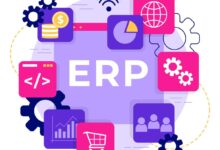

How Cloud ERP Differs from On-Premise ERP
The fundamental difference lies in deployment and management. On-premise ERP requires companies to install software on local servers, manage hardware, and handle updates manually. This often leads to high upfront costs, complex maintenance, and limited flexibility.
In contrast, a cloud ERP solution eliminates the need for physical infrastructure. The vendor hosts the software, manages security, and rolls out updates automatically. This means faster deployment, lower capital expenditure, and easier scalability. For example, Oracle highlights that cloud ERP can reduce IT overhead by up to 40% compared to on-premise systems.
- On-premise: High initial investment, full control over infrastructure
- Cloud ERP: Subscription-based, managed by vendor, faster updates
- Hybrid: Combines both models for transitional or specialized needs
Core Components of a Cloud ERP System
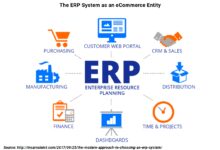
A comprehensive cloud ERP solution integrates multiple business functions into one unified system. Key modules typically include:
- Financial Management: General ledger, accounts payable/receivable, budgeting
- Supply Chain Management: Procurement, inventory, order fulfillment
- Human Capital Management (HCM): Payroll, talent acquisition, performance management
- Customer Relationship Management (CRM): Sales, marketing, service automation
- Manufacturing & Operations: Production planning, quality control, shop floor management
These modules share a common database, ensuring data consistency and real-time visibility across departments. For instance, when a sales order is placed, inventory levels are automatically updated, and production schedules can be adjusted instantly—no manual data entry or delays.
“Cloud ERP is not just about technology; it’s about enabling business agility and faster decision-making.” — Gartner Research
Top 7 Benefits of a Cloud ERP Solution
Adopting a cloud ERP solution isn’t just a tech upgrade—it’s a strategic move that can redefine how your organization operates. From cost savings to real-time analytics, the advantages are both immediate and long-term. Let’s dive into the seven most powerful benefits that make cloud ERP a game-changer for modern businesses.
1. Lower Total Cost of Ownership (TCO)
One of the most compelling reasons businesses switch to a cloud ERP solution is cost efficiency. Traditional ERP systems require significant capital investment in servers, software licenses, and IT staff. Cloud ERP operates on a subscription model (SaaS), turning large upfront costs into predictable monthly or annual fees.
According to a Deloitte study, companies using cloud ERP report a 30-50% reduction in total cost of ownership over five years. This includes savings on hardware, maintenance, energy, and IT labor. Additionally, automatic updates mean no extra charges for new features or security patches.
- No need for expensive server rooms or data centers
- Pay-as-you-go pricing scales with business growth
- Reduced need for in-house IT specialists
2. Faster Implementation and Deployment
Time is money, especially when launching a new system. On-premise ERP implementations can take months or even years due to hardware setup, software configuration, and testing. Cloud ERP solutions, on the other hand, can be up and running in weeks.
Vendors like SAP S/4HANA Cloud offer pre-configured templates and industry-specific best practices, drastically reducing setup time. Many cloud ERP platforms also provide guided onboarding, training, and support, ensuring a smooth transition.
cloud erp solution – Cloud erp solution menjadi aspek penting yang dibahas di sini.
- Pre-built workflows reduce customization time
- Remote access allows parallel training and testing
- Phased rollouts minimize business disruption
3. Scalability and Flexibility
As your business grows, so do your operational needs. A cloud ERP solution scales effortlessly with your organization. Whether you’re adding new users, expanding to new regions, or launching new product lines, the system adapts without requiring major infrastructure changes.
For example, a startup using NetSuite can start with basic financials and CRM, then later add inventory management and e-commerce modules as demand increases—all without changing the core system.
- Add or remove users with a few clicks
- Scale storage and computing power on demand
- Support global operations with multi-currency and multi-language features
4. Real-Time Data Access and Analytics
In today’s fast-paced market, decisions must be made quickly and based on accurate information. A cloud ERP solution provides real-time visibility into every aspect of your business. Dashboards and reporting tools deliver instant insights into sales trends, inventory levels, cash flow, and employee performance.
With embedded analytics and AI-powered forecasting, leaders can anticipate challenges and seize opportunities before competitors. For instance, if a sudden spike in demand is detected, the system can automatically trigger procurement alerts or adjust production schedules.
- Live dashboards for financial, operational, and sales KPIs
- AI-driven forecasting for inventory and revenue
- Mobile access to reports from any device
“Real-time data is the new currency of competitive advantage.” — Forbes Insights
5. Enhanced Security and Compliance
Many businesses hesitate to move sensitive data to the cloud, fearing security risks. However, leading cloud ERP providers invest heavily in cybersecurity, often offering better protection than most on-premise systems.
Top vendors use advanced encryption, multi-factor authentication, regular security audits, and compliance certifications (e.g., GDPR, HIPAA, SOC 2). Data is backed up across multiple geographically dispersed data centers, ensuring business continuity even during disasters.
For example, Amazon Web Services (AWS), which hosts many ERP platforms, offers 99.99% uptime and military-grade security protocols. This level of protection would be prohibitively expensive for most mid-sized companies to replicate on their own.
- End-to-end data encryption (in transit and at rest)
- Automated backups and disaster recovery
- Regular compliance updates aligned with global regulations
6. Automatic Updates and Innovation
With on-premise ERP, updates are often delayed due to compatibility issues, downtime, and IT resource constraints. This can leave businesses vulnerable to security threats and missing out on new features.
Cloud ERP solutions receive regular, automatic updates from the vendor. These include performance improvements, new functionalities, and security patches—all delivered seamlessly without disrupting operations. This ensures that your system is always up-to-date with the latest technology.
For instance, Microsoft Dynamics 365 rolls out bi-annual feature updates, incorporating AI, machine learning, and automation tools that enhance productivity and decision-making.
- No manual patching or version upgrades required
- Access to cutting-edge features like AI and IoT integration
- Continuous innovation without additional cost
7. Improved Collaboration and Remote Work Enablement
The rise of remote and hybrid work models has made collaboration tools essential. A cloud ERP solution enables teams to access the same data and workflows from any location, on any device. This breaks down silos between departments and improves cross-functional coordination.
cloud erp solution – Cloud erp solution menjadi aspek penting yang dibahas di sini.
Sales teams can check inventory in real time, finance can approve invoices from home, and HR can onboard new hires remotely. This level of connectivity boosts productivity and employee satisfaction.
- Role-based access ensures secure collaboration
- Integrated communication tools (e.g., chat, notifications)
- Mobile apps for field service and sales teams
Key Features to Look for in a Cloud ERP Solution
Not all cloud ERP solutions are created equal. To get the most value, it’s crucial to evaluate platforms based on specific features that align with your business goals. Here are the essential capabilities you should prioritize when selecting a cloud ERP system.
Modular Architecture
A modular cloud ERP solution allows you to start with the functions you need and add more as your business evolves. This prevents overpaying for unused features and ensures a smoother implementation.
Look for platforms that offer independent modules for finance, HR, supply chain, and CRM, which can be integrated seamlessly. This flexibility is especially valuable for growing companies or those undergoing digital transformation.
- Ability to purchase only necessary modules
- Easy integration between modules
- Support for third-party app ecosystems
Customization and Configuration Options
While pre-built templates speed up deployment, every business has unique processes. A good cloud ERP solution should offer configuration tools that allow you to tailor workflows, reports, and dashboards without coding.
Advanced platforms provide low-code or no-code customization, enabling business users to make changes without relying on IT. This empowers departments to optimize their operations independently while maintaining system integrity.
- Drag-and-drop workflow designers
- Custom fields and forms
- Personalized dashboards and KPIs
Integration Capabilities
Your ERP system doesn’t operate in isolation. It needs to connect with other tools like e-commerce platforms, payment gateways, CRM systems, and BI tools. A robust cloud ERP solution offers APIs (Application Programming Interfaces) and pre-built connectors to ensure smooth data flow across applications.
For example, integrating your ERP with Shopify or Amazon can automate order processing, inventory updates, and financial reconciliation. This reduces errors and frees up staff for higher-value tasks.
- RESTful APIs for custom integrations
- Pre-built connectors for popular apps (e.g., Salesforce, PayPal)
- Support for middleware platforms like MuleSoft or Zapier
Industries That Benefit Most from Cloud ERP Solutions
While cloud ERP is valuable across sectors, certain industries gain disproportionate advantages due to their operational complexity, regulatory demands, or growth trajectories. Let’s explore how different sectors leverage cloud ERP to drive efficiency and innovation.
Retail and E-Commerce
Retailers face constant pressure to manage inventory across multiple channels, respond to demand fluctuations, and deliver seamless customer experiences. A cloud ERP solution unifies online and offline sales, automates inventory replenishment, and provides real-time insights into customer behavior.
For example, a fashion retailer can use cloud ERP to track stock levels across warehouses, stores, and online platforms, ensuring accurate availability and reducing overstock or stockouts.
cloud erp solution – Cloud erp solution menjadi aspek penting yang dibahas di sini.
- Omni-channel inventory management
- Automated order fulfillment
- Customer segmentation and loyalty programs
Manufacturing
Manufacturers deal with complex supply chains, production scheduling, quality control, and compliance requirements. Cloud ERP streamlines these processes by integrating shop floor data with financial and supply chain systems.
Real-time monitoring of machine performance, predictive maintenance alerts, and automated procurement help reduce downtime and improve efficiency. Platforms like Infor CloudSuite Industrial are specifically designed for discrete and process manufacturing.
- Production planning and scheduling
- Bill of Materials (BOM) management
- Quality assurance and compliance tracking
Professional Services
Firms in consulting, legal, and accounting rely on time tracking, project management, and client billing. A cloud ERP solution with strong project accounting features enables accurate time capture, resource allocation, and profitability analysis.
For instance, a consulting firm can track billable hours, project margins, and client profitability in real time, allowing for better pricing strategies and client retention.
- Time and expense tracking
- Project budgeting and forecasting
- Client invoicing and revenue recognition
How to Choose the Right Cloud ERP Solution for Your Business
Selecting the right cloud ERP solution is a critical decision that impacts every part of your organization. A poor choice can lead to wasted resources, employee frustration, and missed opportunities. Follow this structured approach to ensure you pick the best fit for your needs.
Assess Your Business Needs
Start by identifying your pain points and strategic goals. Are you struggling with inventory accuracy? Do you need better financial reporting? Is your team spending too much time on manual data entry?
Engage stakeholders from finance, operations, IT, and HR to gather requirements. Document key processes, data flows, and reporting needs. This will help you define what features are essential versus nice-to-have.
- Map current workflows and inefficiencies
- Define short-term and long-term objectives
- Identify integration requirements with existing tools
Evaluate Vendor Reputation and Support
The vendor’s reliability and support quality are as important as the software itself. Research customer reviews, case studies, and analyst reports (e.g., Gartner Magic Quadrant). Look for vendors with a strong track record in your industry.
Assess their customer support offerings: 24/7 helpdesk, online training, dedicated account managers, and user communities. A responsive support team can make the difference during implementation and beyond.
- Check Gartner, Forrester, or Capterra ratings
- Request references from similar-sized companies
- Test their support responsiveness during the trial phase
Conduct a Pilot or Proof of Concept
Before committing, run a pilot program with a limited scope—such as one department or a single module. This allows you to test usability, performance, and integration in a real-world setting.
Measure key metrics like user adoption, data accuracy, and process efficiency. Gather feedback from end-users to identify potential roadblocks. A successful pilot builds confidence and provides valuable insights for full-scale rollout.
cloud erp solution – Cloud erp solution menjadi aspek penting yang dibahas di sini.
- Start with a high-impact, low-risk process
- Set clear success criteria and KPIs
- Involve super-users and change champions
Common Challenges and How to Overcome Them
While the benefits of a cloud ERP solution are substantial, the journey isn’t without hurdles. Awareness of common challenges and proactive planning can help you navigate them successfully.
Data Migration and Integration Issues
Moving data from legacy systems to a new cloud ERP platform can be complex. Inconsistent data formats, duplicate records, and missing fields can cause errors and delays.
To mitigate this, clean and standardize your data before migration. Use data mapping tools and work closely with your vendor’s implementation team. Conduct multiple test migrations to validate accuracy.
- Perform data cleansing and deduplication
- Use ETL (Extract, Transform, Load) tools for smooth transfer
- Validate data post-migration with sample audits
User Resistance and Change Management
Employees may resist adopting a new system due to fear of change, lack of training, or perceived complexity. This can slow down adoption and reduce ROI.
Address this with a strong change management strategy: communicate the benefits clearly, involve users early, provide hands-on training, and appoint internal champions. Celebrate quick wins to build momentum.
- Host workshops and demo sessions
- Create user-friendly training materials
- Recognize and reward early adopters
Ensuring Data Security and Privacy
While cloud providers offer strong security, businesses must also take responsibility. Ensure your vendor complies with relevant regulations and conduct regular audits of access controls and data handling practices.
Train employees on security best practices, such as using strong passwords and recognizing phishing attempts. Implement role-based access to minimize the risk of unauthorized data exposure.
- Review vendor’s compliance certifications
- Enforce multi-factor authentication (MFA)
- Conduct regular security awareness training
The Future of Cloud ERP Solutions
The evolution of cloud ERP is far from over. As technology advances, these systems are becoming smarter, more connected, and more integral to business strategy. Let’s explore the emerging trends shaping the future of cloud ERP.
AI and Machine Learning Integration
Artificial Intelligence (AI) is transforming cloud ERP from a transactional system into a predictive and prescriptive platform. AI-powered features can forecast demand, detect anomalies in financial data, optimize supply chains, and even suggest process improvements.
For example, AI can analyze historical sales data to recommend optimal inventory levels, reducing carrying costs and stockouts. Machine learning models improve over time, making the system increasingly intelligent.
- Predictive analytics for sales and inventory
- Automated anomaly detection in financial reports
- Intelligent chatbots for employee self-service
Internet of Things (IoT) and Real-Time Monitoring
IoT devices generate vast amounts of operational data—from sensors on factory machines to GPS trackers on delivery vehicles. Cloud ERP systems are integrating with IoT to provide real-time monitoring and automated responses.
cloud erp solution – Cloud erp solution menjadi aspek penting yang dibahas di sini.
A manufacturer can receive alerts when a machine shows signs of failure, triggering maintenance workflows before a breakdown occurs. This predictive maintenance reduces downtime and extends equipment life.
- Real-time asset tracking and monitoring
- Automated alerts for maintenance or replenishment
- Integration with smart warehouses and logistics networks
Blockchain for Enhanced Transparency
Blockchain technology is being explored to enhance trust and transparency in supply chains. By recording transactions on a decentralized ledger, cloud ERP systems can provide immutable audit trails for procurement, compliance, and product provenance.
For instance, a food company can use blockchain-integrated ERP to trace the origin of ingredients, ensuring food safety and meeting regulatory requirements.
- Secure, tamper-proof transaction records
- End-to-end supply chain visibility
- Automated compliance reporting
What is a cloud ERP solution?
A cloud ERP solution is a web-based software platform that integrates core business processes—such as finance, HR, supply chain, and operations—into a single system hosted on remote servers. It allows businesses to access real-time data, automate workflows, and scale operations efficiently without managing physical infrastructure.
How does a cloud ERP solution reduce costs?
Cloud ERP reduces costs by eliminating the need for expensive hardware, reducing IT maintenance, and operating on a subscription-based model. Companies save on energy, space, and staffing while benefiting from automatic updates and scalable pricing.
Is cloud ERP secure?
Yes, cloud ERP is often more secure than on-premise systems. Leading providers use advanced encryption, multi-factor authentication, regular security audits, and compliance certifications to protect data. They also offer disaster recovery and backup services across multiple data centers.
Can small businesses use cloud ERP solutions?
Absolutely. Cloud ERP solutions are highly scalable and available in tiered plans, making them ideal for small businesses. Platforms like NetSuite, Zoho ERP, and Sage Intacct offer affordable entry points with room to grow as the business expands.
cloud erp solution – Cloud erp solution menjadi aspek penting yang dibahas di sini.
What industries benefit most from cloud ERP?
Retail, manufacturing, professional services, healthcare, and logistics are among the top beneficiaries. These industries gain from real-time data, process automation, compliance support, and supply chain visibility offered by cloud ERP systems.
Adopting a cloud ERP solution is no longer a luxury—it’s a necessity for businesses aiming to stay competitive, agile, and data-driven. From slashing costs and accelerating deployment to enabling real-time insights and supporting remote work, the advantages are transformative. As technology evolves with AI, IoT, and blockchain, cloud ERP will become even more intelligent and integral to business success. The key is to choose the right platform, plan carefully, and embrace change. The future of business operations is in the cloud, and the time to act is now.
Further Reading:
