Choosing the best ERP software can transform your business operations—boosting efficiency, cutting costs, and improving decision-making. With so many options available, how do you pick the right one? Let’s explore the top contenders and what makes them stand out.
What Is ERP Software and Why It Matters

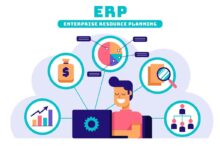
Enterprise Resource Planning (ERP) software integrates core business processes into a single system. From finance and HR to inventory and supply chain, ERP unifies data across departments, eliminating silos and enabling real-time insights. The best ERP software doesn’t just automate tasks—it empowers strategic growth.

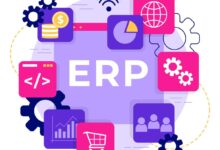
Core Functions of ERP Systems
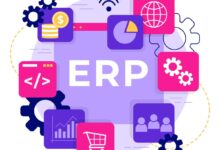
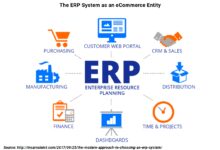
Modern ERP platforms offer a comprehensive suite of tools designed to streamline operations. These include:
- Financial management (accounting, budgeting, reporting)
- Human resources and payroll processing
- Supply chain and inventory management
- Customer relationship management (CRM)
- Manufacturing and production planning
- Procurement and vendor management
By centralizing these functions, ERP systems reduce redundancy, minimize errors, and improve data accuracy. For example, when sales close a deal, inventory levels automatically update, and finance receives instant billing data—no manual entry required.
Benefits of Implementing the Best ERP Software
Investing in the best ERP software delivers measurable returns. Key advantages include:
Operational Efficiency: Automating workflows reduces manual labor and speeds up processes.Real-Time Data Access: Decision-makers get accurate, up-to-the-minute reports across departments.Scalability: Cloud-based ERPs grow with your business, supporting new locations, users, and functions.Regulatory Compliance: Built-in controls help meet standards like GDPR, SOX, and HIPAA.Improved Collaboration: Teams across departments access the same data, reducing miscommunication.”ERP is no longer just for large enterprises.Small and mid-sized businesses now leverage cloud ERP to compete globally.” — Gartner ResearchTop 7 Best ERP Software Solutions in 2024The market is flooded with ERP options, but only a few deliver the reliability, scalability, and innovation needed to be considered the best ERP software.
.After extensive research and user feedback analysis, we’ve identified the top seven platforms dominating the industry in 2024..
1. SAP S/4HANA Cloud
SAP S/4HANA Cloud is a leader in the ERP space, especially for large enterprises with complex operations. Built on an in-memory database, it enables lightning-fast processing and real-time analytics. Its AI-powered insights and embedded machine learning make it a powerhouse for data-driven decision-making.
Key features include advanced financial planning, intelligent procurement, and seamless integration with SAP’s ecosystem. It supports industries like manufacturing, retail, and utilities with tailored modules.
SAP’s cloud-first strategy has made deployment faster and more flexible. With role-based dashboards and mobile access, users get a personalized experience. Learn more at SAP’s official site.
2. Oracle NetSuite
Oracle NetSuite stands out as one of the best ERP software options for mid-sized businesses. As a fully cloud-native platform, it offers end-to-end functionality including financials, CRM, e-commerce, and inventory management—all in one system.
NetSuite’s strength lies in its scalability and real-time reporting. Its SuiteAnalytics suite allows users to create custom dashboards and KPIs. It’s particularly popular among SaaS companies, distributors, and service providers.
With global capabilities, multi-currency support, and automated tax compliance, NetSuite is ideal for companies expanding internationally. Visit Oracle NetSuite for a free trial and demo.
3. Microsoft Dynamics 365 Finance & Operations
Microsoft Dynamics 365 is a top contender among the best ERP software for organizations already using Microsoft 365. Its seamless integration with Office apps, Teams, and Power BI enhances productivity and collaboration.
Dynamics 365 Finance offers robust financial management, while Supply Chain Management handles procurement, warehousing, and logistics. The platform uses AI for predictive forecasting and anomaly detection in financial data.
Its modular design allows businesses to start with finance and add HR or project operations later. Deployment options include cloud, on-premise, and hybrid. Explore more at Microsoft Dynamics.
Best ERP Software for Small Businesses
Small businesses need affordable, easy-to-use ERP systems that don’t sacrifice functionality. The best ERP software for SMBs balances cost, usability, and essential features to support growth without overwhelming teams.
4. Zoho ERP One
Zoho ERP One is a rising star in the SMB ERP market. It integrates Zoho’s suite of business apps—Books, Inventory, CRM, Projects, and People—into a unified platform. Its low entry cost and intuitive interface make it ideal for startups and growing businesses.
The system offers real-time inventory tracking, automated invoicing, and AI-driven cash flow forecasting. Zoho Flow enables custom automation between apps, reducing manual work. With over 50 million users worldwide, Zoho continues to expand its ERP capabilities.
Zoho ERP One supports multi-currency, multi-language, and multi-company operations. It’s also GDPR-compliant and offers strong data encryption. Learn more at Zoho ERP.
5. Sage Intacct
Sage Intacct is a cloud-based financial management system often ranked among the best ERP software for finance-first organizations. It’s particularly strong in automated accounting, revenue recognition, and financial reporting.
Its multi-dimensional chart of accounts allows for deep financial analysis by department, location, or project. Sage Intacct integrates with payroll, billing, and procurement tools, making it a solid choice for professional services and nonprofits.
The platform uses AI to detect anomalies and suggest journal entries. It also offers pre-built dashboards for CFOs and controllers. See how it works at Sage Intacct.
Best ERP Software for Manufacturing
Manufacturers require ERP systems with deep production planning, shop floor control, and quality management features. The best ERP software for manufacturing supports lean processes, just-in-time inventory, and regulatory compliance.
6. Infor CloudSuite Industrial (SyteLine)
Infor CloudSuite Industrial, formerly known as SyteLine, is a leading ERP solution for discrete manufacturers. It handles complex product configurations, engineering change orders, and serial number tracking with precision.
The system supports make-to-order, engineer-to-order, and configure-to-order models. Its shop floor control module provides real-time visibility into production status, machine utilization, and labor efficiency.
Infor uses AI and IoT integration to enable predictive maintenance and supply chain resilience. It’s used by aerospace, defense, and industrial equipment makers. Discover more at Infor.
7. Epicor Kinetic
Epicor Kinetic is a cloud-based ERP platform tailored for manufacturing, distribution, and retail. It offers industry-specific functionality for job shops, batch processors, and mixed-mode manufacturers.
Kinetic provides real-time dashboards, mobile access, and voice-directed warehousing. Its AI-powered insights help optimize production schedules and reduce downtime. The system also supports sustainability tracking and carbon footprint analysis.
Epicor emphasizes user experience with a modern interface and guided workflows. It integrates with CAD systems and shop floor devices. Learn more at Epicor Kinetic.
How to Choose the Best ERP Software for Your Business
Selecting the best ERP software isn’t about picking the most popular tool—it’s about finding the right fit for your business size, industry, and goals. A misaligned ERP can lead to wasted resources and low adoption.
Assess Your Business Needs
Start by mapping your core processes: finance, inventory, HR, sales, and production. Identify pain points—like delayed reporting or stockouts—and define what you want the ERP to solve.
Engage stakeholders from each department to gather requirements. For example, the finance team may prioritize GAAP compliance, while operations need real-time inventory updates.
Create a prioritized list of must-have vs. nice-to-have features. This will help narrow down options and avoid overpaying for unused modules.
Evaluate Deployment Options
ERP systems come in three deployment models:
- Cloud ERP: Hosted by the vendor, updated automatically, scalable, and accessible from anywhere. Ideal for most modern businesses.
- On-Premise ERP: Installed locally, offering full control over data and customization. Requires IT infrastructure and maintenance.
- Hybrid ERP: Combines cloud and on-premise elements, useful for companies with legacy systems or strict data residency laws.
Most of the best ERP software today is cloud-based due to faster implementation, lower upfront costs, and continuous innovation.
Consider Total Cost of Ownership (TCO)
The sticker price is just one part of the cost. TCO includes:
- Licensing or subscription fees
- Implementation and consulting
- Data migration and integration
- Training and change management
- Ongoing support and upgrades
Cloud ERPs typically charge per user per month, while on-premise systems involve large upfront investments. Be sure to get detailed quotes and compare long-term value.
Implementation Best Practices for ERP Success
Even the best ERP software can fail without proper implementation. Studies show that 50-70% of ERP projects face delays or budget overruns. Following best practices increases your chances of success.
Build a Strong Project Team
Assign a dedicated ERP project manager and include representatives from finance, IT, operations, and HR. This cross-functional team ensures all perspectives are considered and drives user adoption.
Engage an experienced implementation partner if internal resources are limited. Firms certified by the ERP vendor can accelerate deployment and avoid common pitfalls.
Data Migration and Cleansing
Poor data quality is a leading cause of ERP failure. Before migration, clean your existing data—remove duplicates, correct errors, and standardize formats.
Test the migration process in a sandbox environment. Validate that historical transactions, customer records, and inventory levels transfer accurately.
Training and Change Management
Employees resist change, especially when new software disrupts routines. Invest in comprehensive training programs tailored to different roles.
Use video tutorials, live workshops, and super-users to support adoption. Communicate the benefits clearly—how the ERP will make their jobs easier and more efficient.
“People don’t resist change; they resist being changed.” — Peter Senge, MIT
Future Trends Shaping the Best ERP Software
The ERP landscape is evolving rapidly. The best ERP software in 2024 isn’t just about integration—it’s about intelligence, agility, and user experience. Here are key trends to watch.
AI and Machine Learning Integration
AI is transforming ERP from a transactional system to a predictive and prescriptive platform. The best ERP software now includes AI for:
- Demand forecasting and inventory optimization
- Fraud detection in financial transactions
- Automated invoice matching and payment processing
- Chatbots for employee self-service (HR, IT)
For example, SAP’s AI-driven cash flow prediction and Oracle’s intelligent procurement bots are already delivering real value.
Low-Code/No-Code Customization
Businesses no longer need to rely solely on IT to modify workflows. The best ERP software now offers low-code platforms where users can build custom forms, reports, and automations with drag-and-drop tools.
Microsoft Power Platform and Zoho Creator are prime examples. This empowers business users and speeds up innovation.
Mobile-First and Voice-Enabled Interfaces
With remote work and field operations growing, mobile ERP access is essential. The best ERP software provides responsive mobile apps for approvals, reporting, and inventory checks.
Voice-enabled interfaces, like those in Epicor Kinetic, allow warehouse workers to update inventory using voice commands—increasing speed and reducing errors.
Real-World Case Studies: ERP Success Stories
Understanding how real companies benefit from the best ERP software can provide valuable insights. Here are two compelling case studies.
Case Study 1: Global Manufacturer Boosts Efficiency by 40%
A multinational industrial equipment maker struggled with disconnected systems across 12 countries. After implementing SAP S/4HANA Cloud, they unified financials, procurement, and production planning.
Results included a 40% reduction in month-end closing time, 25% lower inventory costs, and real-time visibility into global operations. The AI-powered forecasting module improved demand accuracy by 30%.
Case Study 2: E-Commerce Retailer Scales with NetSuite
An online retailer selling health products used spreadsheets and separate tools for sales, inventory, and accounting. As sales grew, errors and delays increased.
After migrating to Oracle NetSuite, they automated order fulfillment, synchronized inventory across channels, and gained real-time P&L reporting. Within a year, they expanded to three new markets and reduced operational costs by 20%.
What is ERP software?
ERP (Enterprise Resource Planning) software integrates core business functions—like finance, HR, inventory, and sales—into a single system to improve efficiency, data accuracy, and decision-making.
What are the benefits of using the best ERP software?
The best ERP software improves operational efficiency, provides real-time insights, enhances scalability, ensures compliance, and supports better collaboration across departments.
Which ERP is best for small businesses?
For small businesses, Zoho ERP One and Sage Intacct are top choices due to their affordability, ease of use, and essential functionality tailored to growing companies.
How much does ERP software cost?
Costs vary widely. Cloud ERPs can start at $20/user/month (e.g., Zoho), while enterprise systems like SAP may cost hundreds of thousands annually. Implementation and support add to the total cost.
Can ERP software be customized?
Yes, most modern ERP systems offer customization through configuration, APIs, and low-code tools. Cloud ERPs balance standardization with flexibility to meet specific business needs.
Selecting the best ERP software is a strategic decision that can redefine your business’s future. Whether you’re a small startup or a global enterprise, the right ERP system will streamline operations, empower teams, and drive growth. From SAP and Oracle to Zoho and Epicor, the options are diverse—but the key is alignment with your goals. Evaluate carefully, plan thoroughly, and invest in change management to unlock the full potential of your ERP investment.
Recommended for you 👇
Further Reading:
